


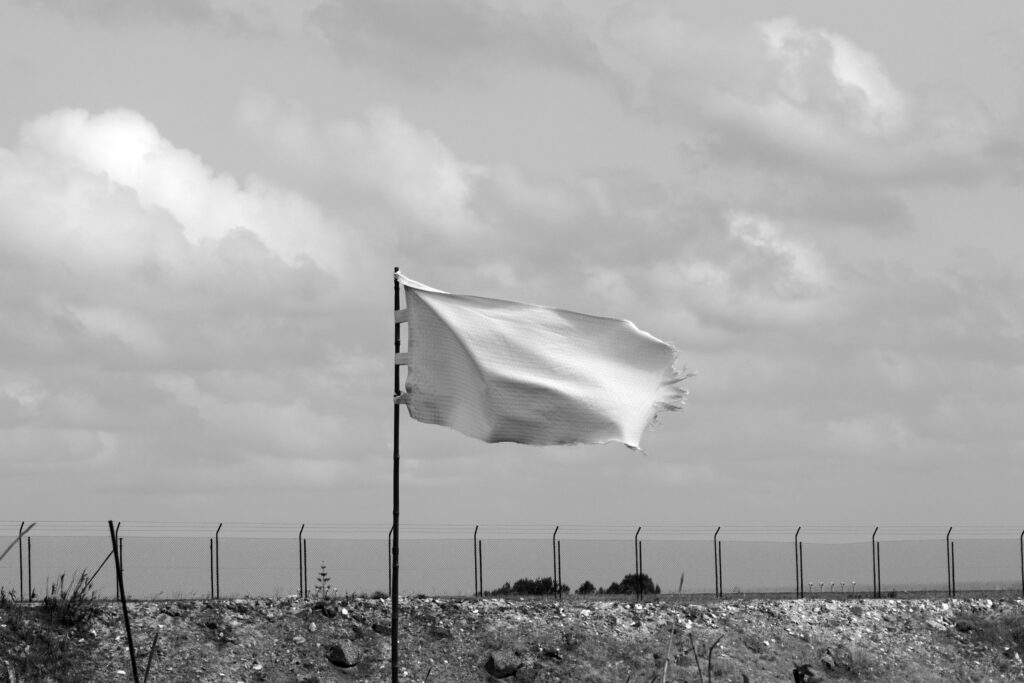
There is so much fear in the world right now, whether that be of another pandemic, global conflict, political division, job instability, financial insecurity, multicultural and gender struggles, or the fear of being cancelled. There is a rise in control and authoritarianism, and communication breakdowns, leading to a place where interaction stops, escalation occurs, and we become isolated—desperately in need of a ceasefire as we retreat into conversations with only like-minded people who back up our narrative.
This can create the perfect storm and global and societal fear and instability are being replicated in the workplace. LiveCareer’s study showed 87% suffer from work-related fears and Acas.org.uk estimated that around 485,000 employees resign each year as a result of conflict. So how can we obtain a workplace ceasefire and ease the tension?
When deep-diving into why workplace conflict occurs, there are usually four main reasons:-
- When there is power play between individuals.
- When there is a powerful desire to be seen as being in the right (morally, legally etc).
- When there are unmet needs and differing interests.
- When there is an interaction and communication breakdown, followed by demonisation and active alienation.
Why is a change of workplace mindset from adversarial to collaborative so important?
Mediation is becoming a widely required business tool across the legal and commercial sectors in the 21st century. We have become professional jugglers of tasks, and we have so many choices and stresses it can be easy for others to influence, manipulate or bully us to suit their agenda and needs.
In the Tomorrow’s Company Inquiry in 1995, one of the key findings was an adversarial approach is one of the main factors preventing companies from operating at their highest potential. Adversarial mindsets feed into the breakdown of communication and division creation. We need differing opinions, but obstinance, ignorance, societal divides and an inflexible viewpoint, combined with an inability to listen, will reduce productivity, collaboration and open and honest dialogue and will create an environment or culture of fear. ‘The Nowhere Abyss’ is an immediate refuge but may be a place we later regret entering, rather than choosing to cross ‘The Bridge of Courage’. Many adversaries question that agreeing to a ceasefire makes you look weak. The answer is no. It requires foresight and courage.
So how can you obtain a ceasefire in office conflict?
- Press the red button to stop escalation. Step off the escalator and open the doors to discussion. Early resolution is the key to negotiating a ceasefire especially as we are currently living in a complicated cycle of crises and an age of disruption.
- Change the interaction from adversarial to collaborative to restore effective dialogue and interaction. Our instinctive reaction is always to be adversarial; to fight, flight, or freeze and shut down. But when we are actively kinder and calmer and able to have conscious collaborative reactions and behaviours then we can reach a better outcome for all sides, including connection, constructive decision-making and positive relationship building.
- Adopt a shift in mindset. Prepare for dialogue, not for war. Start with the future in mind because conflict can be positive if it catalyses change. See conflict as an opportunity to co-create and know that resolving conflict is a journey to gaining fresh perspectives.
- Understand most conflict arises from a conversation that didn’t happen or didn’t happen well. Realising this enables us to take a breath, reset and reopen dialogue, this time through listening, reflecting and responding.
- Lead rather than follow a poor script by challenging norms and narratives to find a better way forward.
- We have to have commitment which is why organisations that have a pledge which outlines, lives and breathes their commitment, values and beliefs usually fare better.
- Train in mediation skills or access someone who can facilitate an open dialogue.
How can we resolve to survive in times of change, challenge and crisis?
So often we are ill-equipped for challenges in the workplace and we have issues, experiences and trauma that shape our decisions, but we can have the courage to leave behind whatever no longer serves us well. The sense of travelling lighter and not being weighed down by the baggage of ill feelings and conflict can be liberating, as well as productive.
In a world full of uncertainty, it’s essential that we develop the skills and mindset to navigate workplace conflict with empathy, collaboration, and resilience. With a proactive approach, that fosters open dialogue and embraces mediation, we can create a culture that not only survives in times of crisis but thrives. Using courage and commitment, we can leave behind the weight of conflict and build healthier, more productive workplaces where everyone can succeed.