


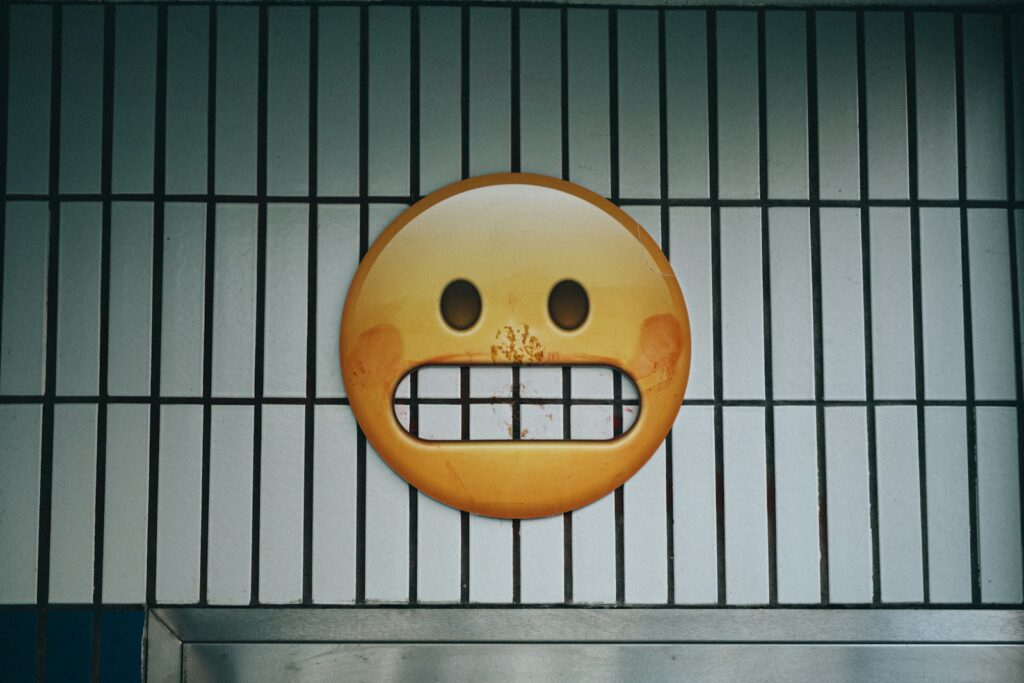
Recent research revealed that 90% of UK teams experience conflicts stemming from digital tools, with 43% citing tone misinterpretation and 33% pointing to confusion over emojis. The best way to handle these tensions is to try to understand where and why these interpretations diverge.
Typical communication styles vary widely across generations: Baby Boomers often prefer face-to-face interactions and value nuanced discussions, while Millennials appreciate warmth in digital communication. Gen Z, having grown up in a world of instant messaging, lean towards brevity and visual cues. This mixture can easily lead to misunderstandings if not navigated carefully.
The Thumb Conundrum
Take the thumb: this emoji (👍🏻) has inspired a litany of thinkpieces exploring the wildly different reception its use receives. The ‘thumbs up’ emoji serves as a prime example of how a simple gesture can lead to misinterpretation. For younger generations, particularly Gen Z, this emoji is often seen as a casual affirmation – a quick way to express excitement or agreement.
Members of older generations, such as Baby Boomers and Gen X, may perceive it as dismissive or flippant, interpreting it as a lack of seriousness. This disconnect in perception over something so simple can easily lead to frustration and disengagement on both sides.
The widespread misunderstanding of emojis and microresponses like “Ok”, “kk”, and “K” highlights the subtleties of today’s workplace communication divide. While the thumbs-up emoji has become the poster child for cross-generational misinterpretations, the same applies to shorthand acknowledgements that younger Gen-Z employees use daily without a second thought.
These tiny messages pack a surprising amount of emotional weight, and have the ability to derail workplace harmony if tone is misunderstood.
What Do “OK”, “kk” or “K” Really Convey?
In digital communications within the workplace, all three of these versions technically mean “yes” or “I agree”, yet emotionally, they land differently:
- Ok / Okay is a neutral, standard form of agreement that is widely understood across generations and therefore the safest choice for formal or mixed-age professional settings. It can read slightly formal to younger people who prefer more casual acknowledgement.
- Kk is a friendlier, warmer shorthand popular among Millennials and Gen-Z. It signals “got it!”, and portrays soft enthusiasm and an easygoing tone. To younger demographics, “kk” feels more human and than “OK” and far less abrupt than “k”.
- K is arguably the most contentious of the three, and can come across as curt, cold or even dismissive to many, especially older employees who may already be more sensitive to abrupt digital tone. Gen-Z may occasionally use “K” simply for speed, although many will avoid it due to its reputation for sounding annoyed or passive aggressive.
These tonal mismatches aren’t caused by ill intent, but rather the generational norms shaped by technology, speed, and social context. Where boomers value completeness and clarity, their younger colleagues tend to value efficiency and a conversational “digital warmth” via extra letters, emojis, or casual shorthand.
The Importance of Tone
If someone reads a “K” as irritated, or a “kk” as unserious, it taps into broader communication expectations, for example:
- Older employees may prioritise the professionalism of full sentences and interpret shorthand or emojis as disrespectful or rushed.
- Millennials may interpret “OK” without an emoji as neutral at best, and stiff or annoyed at worst.
- Gen Z – who have been raised on instant messaging – use shortened language and symbols to convey feeling, rather than remove it.
Bridging the Divide
Bridging the divide in communication is crucial for fostering workplace harmony. Here are Gryzb’s tips to enhance understanding across generations and ensure everyone is on the same page:
- Normalise Clear, Context Rich Communication & Language: Using clear, unambiguous language in professional communications should be your focus. Avoid relying solely on emojis or shorthand: craft full sentences to convey your message clearly, ensuring everyone understands your intent.
- Mind Your Tone: Being mindful of tone is equally important; written communication lacks the tonal cues we pick up from someone’s voice or body language when they’re speaking aloud, thus making it easy for messages to be misinterpreted. Adding a friendly opening or a line of additional context can really help clarify your intentions.
- Educate on Differences: Educating on generational differences through workshops or casual discussions can help raise awareness of this issue proactively. You might look to develop internal communications guidelines or standards to help everyone stay on the same page.
- Encourage Open Dialogue: Encouraging an open dialogue about generational communication differences can help build an environment where team members feel comfortable discussing their communication preferences. This will open the door to greater understanding of colleagues with different styles of communicating.
- Adapt Your Approach: Being willing to adapt your personal approach based on your audience is also key. Recognising that different generations may interpret messages differently can enhance collaboration.
Remember, a little effort can go a long way in enhancing workplace harmony. Embracing diverse communication styles – and embedding flexible and responsive solutions to any conflicts caused – will cultivate a culture of openness and adaptability. After all, if we can chuckle at the confusion sparked by a simple ‘thumbs up’ emoji – where one person sees enthusiasm while another perceives a casual dismissal – we can certainly work together to bridge these generational gaps.
Maybe you can transform that thumbs up into a genuine symbol of agreement, paving the way for smoother communication and stronger team dynamics.