


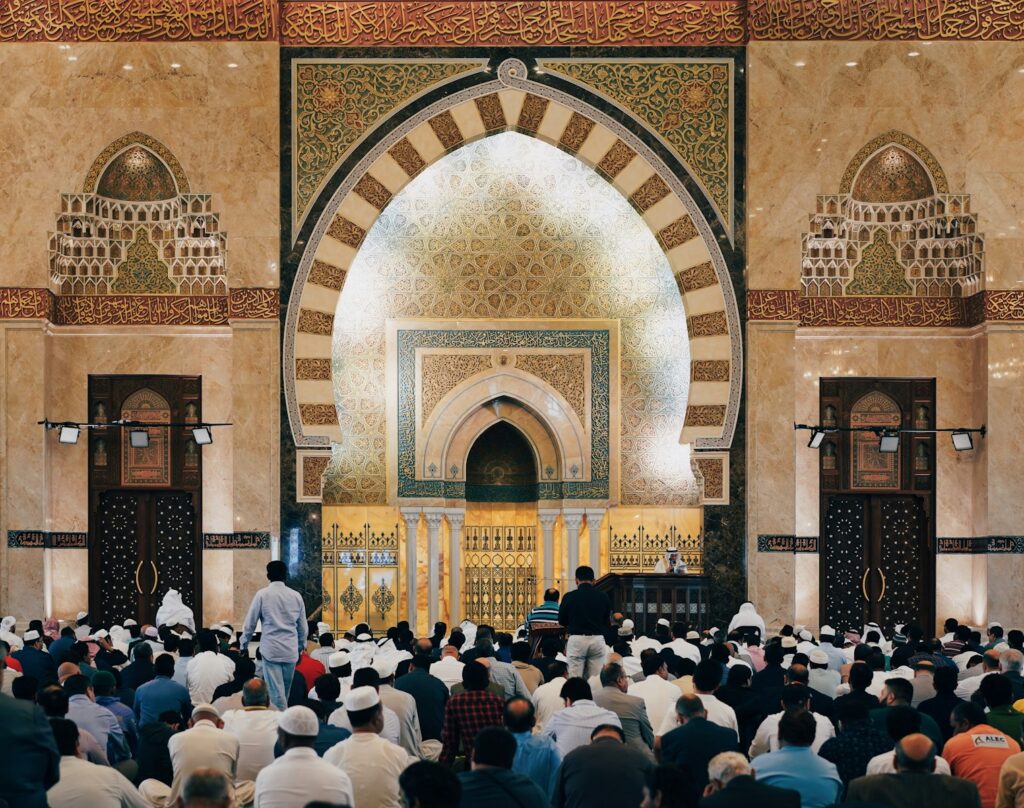
As Ramadan begins this week, employers are being urged to take action to support the wellbeing of Muslim employees fasting from dawn to sunset. With around two billion Muslims worldwide – including nearly four million in the UK – observing the month-long fast, businesses are advised to offer flexibility, hydration guidance and mental health support to prevent exhaustion and productivity slumps.
Dr Ryan Copeland, regional medical director of global healthcare provider International SOS, said long fasting hours, sleep disruption and dehydration can impact focus, energy levels and overall performance at work.
“Creating a supportive and inclusive environment for fasting employees is crucial during Ramadan,” he said. “Organisations can demonstrate their commitment by promoting healthy practices, such as eating balanced meals at Suhoor (pre-dawn meal) and Iftar (meal to break the fast), proper hydration, sufficient rest and ensuring a healthy work-life balance throughout the holy month.”
Fasting While Working
Ramadan, expected to run from 28 February to 30 March, requires Muslims to abstain from food and drink between dawn and sunset. In the UK, this means fasting for 12 to 14 hours a day, depending on the lengthening daylight. Lack of hydration can lead to fatigue, dizziness and difficulty concentrating, particularly in the late afternoon.
Muslims also wake up before dawn to eat Suhoor, meaning sleep cycles are disrupted, potentially leading to lower energy levels. Combined with workplace demands, these challenges make it critical for employers to recognise the impact of fasting on performance and wellbeing.
What Employers Can Do to Help
To ensure fasting employees feel supported while maintaining productivity, businesses can take several practical steps:
1. Offer Flexible Working Hours
- Allowing earlier start and finish times can help employees manage their energy levels more effectively.
- Where possible, consider remote or hybrid work options to reduce commuting stress.
2. Provide a Quiet Space for Prayer and Rest
- A dedicated prayer room or quiet space allows employees to perform their religious obligations without disruption.
- A short afternoon break can help employees manage fatigue.
3. Encourage Hydration and Healthy Eating
- Remind employees to prioritise hydration during non-fasting hours, drinking at least two litres of water between Iftar and Suhoor to prevent dehydration the next day.
- Provide information on nutrient-rich foods that help sustain energy levels, such as complex carbohydrates, protein, and healthy fats.
- Advise on caffeine reduction to prevent dehydration and energy crashes during fasting hours.
4. Avoid Food-Centric Social Events
- Be mindful of scheduling work lunches, meetings or team events with food during fasting hours.
- Consider hosting an inclusive Iftar gathering to build workplace camaraderie.
5. Support Mental Wellbeing
- Ensure employees have access to mental health resources, such as Employee Assistance Programmes (EAPs) and mindfulness initiatives.
- Foster an open dialogue where employees feel comfortable discussing their needs during Ramadan.
Looking Ahead: Preparing for Eid al-Fitr
The end of Ramadan is marked by Eid al-Fitr, a major religious holiday celebrated with family and community gatherings. Many Muslim staff request leave around this time, so employers should plan ahead to accommodate these requests while maintaining business continuity.
By making simple yet meaningful adjustments, organisations can enhance workplace inclusivity, support employee wellbeing and maintain productivity throughout Ramadan. A proactive approach not only benefits fasting employees but also contributes to a healthier, more engaged workforce.