

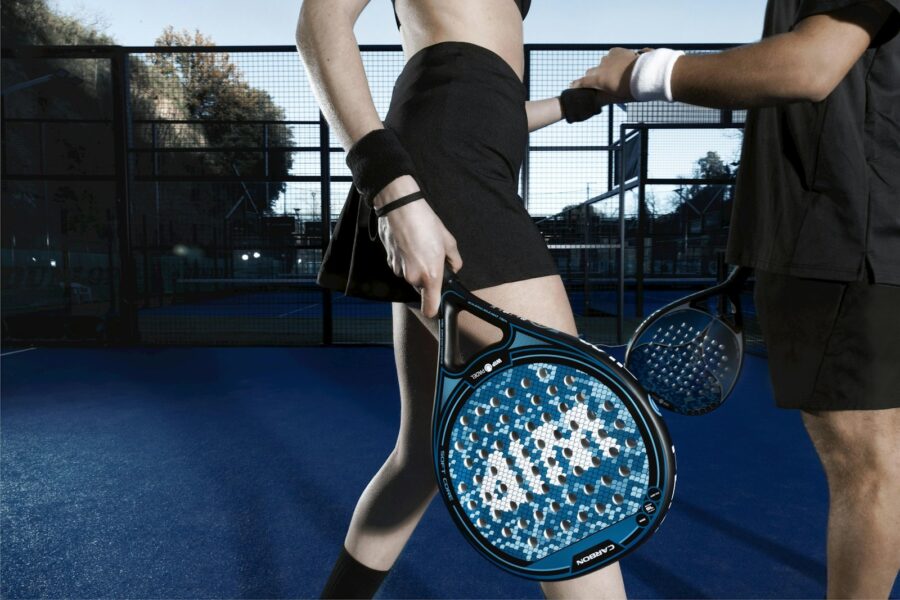
Padel, a sport blending elements of tennis and squash, has become a trend in workplace wellbeing. Its rise in popularity, driven by its social and accessible nature, is reshaping how businesses approach fitness and team-building initiatives.
Jon Booker, a corporate fitness expert at international wellbeing provider Westfield Health, said, “Padel is widely regarded as the UK’s fastest-growing sport.”
Since 2020, nearly 500 courts have been established across the country, and the Lawn Tennis Association (LTA) aims to double this number by 2026.
The Appeal of Padel
Known as “tennis’ rebellious younger sibling,” Padel stands out for its relaxed dress code, emphasis on socialising, and simple rules. Played on a smaller court with doubles teams, it fosters teamwork and connection, making it an ideal activity for colleagues.
“It’s an inherently great place to network, meet new people, or take your colleagues for a post-work social,” says Booker. The sport’s addictive nature also encourages regular participation, enhancing opportunities for collaboration and strengthening workplace relationships.
Employers Embrace the Padel Trend
Businesses are increasingly recognising the potential of Padel as a workplace wellbeing tool. Some companies are incorporating Padel courts into their wellbeing programmes, alongside traditional offerings such as gym memberships and yoga classes.
In Europe, certain organisations have taken this a step further by installing on-site Padel courts. While this trend is less common in the UK, Booker predicts it will gain popularity, particularly among larger employers with the space to accommodate multi-use games areas (MUGAs).
Team Sports and Productivity
A 2017 study from Loughborough University found that participation in team sports improved physical fitness, communication, and social bonds among employees. Participants also reported enhanced workplace relationships and increased productivity.
“The evolution of Padel as a place for employers to encourage their employees to go is not just about staying on trend; it’s about creating environments that promote health, communication, and meaningful connections. And, with the A-lister following, you never know who you might end up rubbing shoulders with.“
Jon Booker, Westfield Health