

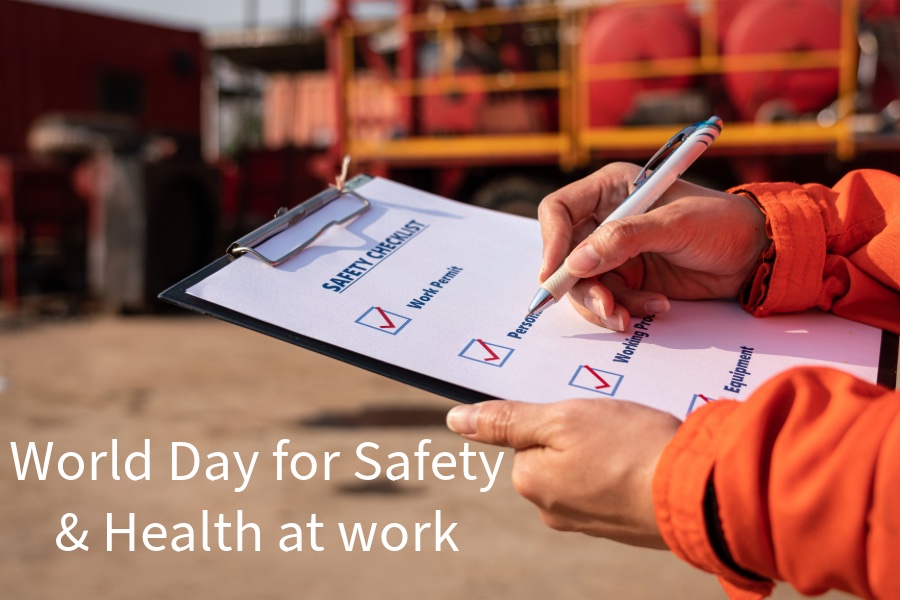
As we approach April 28th, our calendars mark an occasion of paramount importance: the World Day for Safety and Health at Work.
Here at Workplace Wellbeing Professional, we’re taking a moment to spotlight this vital awareness day, underscoring its significance and the indispensable rights of UK employees in the realm of health and safety. This day a call to action for organisations to re-evaluate and reinforce their commitment to creating safer working environments.
What is World Day for Safety and Health at Work?
Initiated by the International Labour Organization (ILO), the World Day for Safety and Health at Work aims to promote the prevention of occupational accidents and diseases globally. It’s a day where the spotlight shines on the criticality of ensuring safe and healthy working conditions, serving as a reminder of the fundamental human right to a safe workplace. The day encourages a culture of risk prevention and awareness, bringing together governments, employers, workers, and stakeholders to advance safety and health in the workplace.
Why is it Important?
In the ever-evolving landscape of work, where new risks emerge alongside traditional hazards, the importance of this day cannot be overstated. It’s a stark reminder that despite advancements, countless workers globally are still exposed to unsafe conditions, risking their health and, at times, their lives. Recognising this day helps to foster a global dialogue and encourages the sharing of best practices and strategies to mitigate these risks.
Health and Safety Rights for UK Employees
In the UK, employees are entitled to many health and safety rights, anchored by the Health and Safety at Work Act 1974 and subsequent regulations. These rights include:
- The right to work in environments where risks to their health and safety are properly controlled.
- The right to stop work and leave an area if they believe they are in immediate danger.
- The right to inform their employer about health and safety issues or concerns.
- The right to receive proper training and to be provided with adequate safety equipment.
- The right to consult with employers about health and safety matters.
Employers are obliged to ensure the health, safety, and welfare at work of all their employees, highlighting the collaborative nature of creating safe working conditions.
How Organisations Can Get Involved
Organisations can mark World Day for Safety and Health at Work by engaging in various activities:
- Host safety workshops or training sessions to educate employees about common workplace hazards and prevention techniques.
- Conduct a safety audit of your workplace to identify and rectify potential risks.
- Invite experts to speak about health and safety practices, offering fresh perspectives and solutions.
- Launch a health and safety awareness campaign within your organisation, utilising posters, newsletters, and meetings to spread key messages.
- Encourage employee participation in health and safety discussions, making it clear that their voice matters and their contributions are valuable.
Extra Resources/Reading
For those looking to delve deeper into workplace health and safety, a wealth of resources is available:
- Health and Safety Executive (HSE) at http://www.hse.gov.uk: The UK government body responsible for the regulation and enforcement of workplace health, safety, and welfare.
- International Labour Organisation (ILO) Safety and Health at Work at https://www.ilo.org/global/topics/safety-and-health-at-work: International guidelines and resources for improving workplace safety and health.
- Trades Union Congress (TUC) at https://www.tuc.org.uk: Offers resources for union representatives and workers on rights, campaigns, and research in workplace safety and health.
Health & Safety on Workplace Wellbeing Professional
To read content relating to safety & health in the workplace, take a look at some of our stories below, with much more to be found in the Topic Index:
- Safety shock! 15% increase in construction fatalities in the past year
- Taking safety for granted? Injury rates higher in “safer” jobs!
- Sukh Padda: The burden of neck and back pain in the UK
Don’t forget…
Take a look at our ultimate guide for leaders on slips, trips and falls in the workplace.
Slips, Trips and Falls in the Workplace: The Ultimate Guide for Managers

Joanne is the editor for Workplace Wellbeing Professional and has a keen interest in promoting the safety and wellbeing of the global workforce. After earning a bachelor's degree in English literature and media studies, she taught English in China and Vietnam for two years. Before joining Work Well Pro, Joanne worked as a marketing coordinator for luxury property, where her responsibilities included blog writing, photography, and video creation.
- Joanne Swann
- Joanne Swann
- Joanne Swann
- Joanne Swann
- Joanne Swann
- Joanne Swann
- Joanne Swann
- Joanne Swann
- Joanne Swann
- Joanne Swann
- Joanne Swann
- Joanne Swann
- Joanne Swann
- Joanne Swann
- Joanne Swann
- Joanne Swann
- Joanne Swann
- Joanne Swann
- Joanne Swann
- Joanne Swann
- Joanne Swann
- Joanne Swann
- Joanne Swann
- Joanne Swann
- Joanne Swann
- Joanne Swann
- Joanne Swann
- Joanne Swann
- Joanne Swann
- Joanne Swann
- Joanne Swann
- Joanne Swann
- Joanne Swann
- Joanne Swann
- Joanne Swann
- Joanne Swann
- Joanne Swann
- Joanne Swann
- Joanne Swann
- Joanne Swann
- Joanne Swann
- Joanne Swann
- Joanne Swann
- Joanne Swann
- Joanne Swann
- Joanne Swann
- Joanne Swann
- Joanne Swann
- Joanne Swann
- Joanne Swann
- Joanne Swann
- Joanne Swann
- Joanne Swann
- Joanne Swann
- Joanne Swann
- Joanne Swann
- Joanne Swann
- Joanne Swann
- Joanne Swann
- Joanne Swann
- Joanne Swann
- Joanne Swann
- Joanne Swann
- Joanne Swann
- Joanne Swann
- Joanne Swann
- Joanne Swann
- Joanne Swann
- Joanne Swann
- Joanne Swann
- Joanne Swann
- Joanne Swann
- Joanne Swann
- Joanne Swann
- Joanne Swann
- Joanne Swann
- Joanne Swann
- Joanne Swann
- Joanne Swann
- Joanne Swann
- Joanne Swann
- Joanne Swann
- Joanne Swann
- Joanne Swann
- Joanne Swann
- Joanne Swann
- Joanne Swann
- Joanne Swann
- Joanne Swann
- Joanne Swann
- Joanne Swann
- Joanne Swann
- Joanne Swann
- Joanne Swann
- Joanne Swann
- Joanne Swann
- Joanne Swann
- Joanne Swann
- Joanne Swann
- Joanne Swann
- Joanne Swann
- Joanne Swann
- Joanne Swann
- Joanne Swann
- Joanne Swann
- Joanne Swann
- Joanne Swann
- Joanne Swann
- Joanne Swann
- Joanne Swann
- Joanne Swann
- Joanne Swann
- Joanne Swann
- Joanne Swann
- Joanne Swann
- Joanne Swann
- Joanne Swann
- Joanne Swann
- Joanne Swann
- Joanne Swann
- Joanne Swann
- Joanne Swann
- Joanne Swann
- Joanne Swann
- Joanne Swann
- Joanne Swann
- Joanne Swann
- Joanne Swann
- Joanne Swann
- Joanne Swann
- Joanne Swann
- Joanne Swann
- Joanne Swann
- Joanne Swann
- Joanne Swann
- Joanne Swann
- Joanne Swann
- Joanne Swann
- Joanne Swann
- Joanne Swann
- Joanne Swann
- Joanne Swann
- Joanne Swann
- Joanne Swann
- Joanne Swann
- Joanne Swann
- Joanne Swann
- Joanne Swann
- Joanne Swann
- Joanne Swann
- Joanne Swann
- Joanne Swann
- Joanne Swann
- Joanne Swann
- Joanne Swann
- Joanne Swann
- Joanne Swann
- Joanne Swann
- Joanne Swann
- Joanne Swann
- Joanne Swann
- Joanne Swann
- Joanne Swann
- Joanne Swann
- Joanne Swann
- Joanne Swann
- Joanne Swann
- Joanne Swann
- Joanne Swann
- Joanne Swann
- Joanne Swann
- Joanne Swann
- Joanne Swann
- Joanne Swann
- Joanne Swann
- Joanne Swann
- Joanne Swann
- Joanne Swann
- Joanne Swann