

Going through menopause, every woman’s experience is bound to be different. While some may go through no menopausal symptoms at all, others may experience symptoms more severely, thereby impacting their everyday life.
When it comes to symptoms, certain menopausal symptoms such as hot flushes and mood swings are commonly known. However, there are many which are often ‘unexpected’ such as vaginal dryness and brain fog.
Women also have a higher risk of cardiovascular disease (heart disease and stroke) and osteoporosis after menopause, so it is particularly important to be aware of this and to follow healthy diet and lifestyle advice to reduce risk. Menopause can often lead to weight gain and in particular, gaining fat around the waist, which can also increase the risk of developing certain diseases, such as cardiovascular disease, cancer and type 2 diabetes.
Last year while surveying women who have experienced menopause, The British Nutrition Foundation found that 29% of those experiencing menopause had tried herbal remedies and 32% had tried Hormone Replacement Therapy (HRT).
However , 20% hadn’t tried anything to cope with their menopause symptoms at all. While there could be a variety of reasons for this, affordability had come up as a big reason – 25% said they were unable to purchase vitamins and 22% were unable to purchase foods that would alleviate their symptoms.
So how can menopausal women ease their symptoms to minimise impact on their daily life? Can a simple solution such as diet change play any role in managing menopausal symptoms? British Nutrition Foundation’s scientific review released earlier this year, The role of diet in managing menopausal symptoms: A Narrative Review, explored the scientific evidence between having a healthy dietary pattern and herbal supplements in the management of menopausal symptoms.
The review found that while there is no ‘magic bullet’ when it comes to diet and supplements that could help manage all symptoms, incorporating small changes in daily eating habits to consume a healthier dietary pattern could help maintain a healthy weight and possibly help alleviate symptoms such as hot flushes.
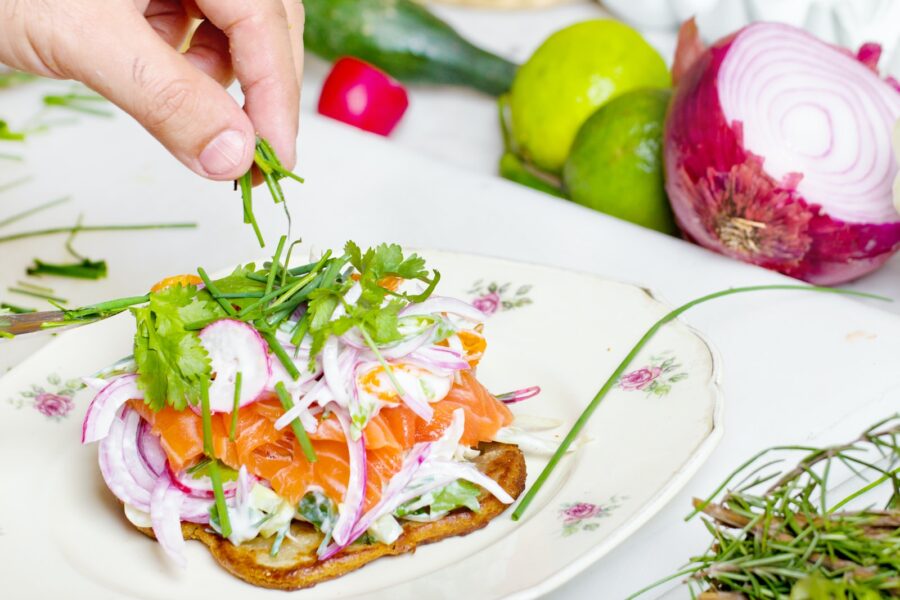
This translates to having a diet that is rich in fruit and vegetables, wholegrains, beans and other pulses, with a higher proportion of healthier fats from foods such as oily fish, nuts and seeds. Encouragingly, this is actually in line with what is already recommended in the Eatwell Guide, the UK’s healthy eating guidelines.
Coupled with a physically active lifestyle, it can also help women who have gone through the menopause and are at increased risk of cardiovascular disease, such as a heart attack or stroke, and osteoporosis (weak bones).
The British Nutrition Foundation has more information on what a healthy, balanced dietary pattern looks like for those going through the menopause. For more evidence-based information on food, nutrition and lifestyle during the menopause, please visit www.nutrition.org.uk/life-stages/women/menopause.
You can also hear from those sharing their lived experiences of menopause and how diet and lifestyle play an important role in their symptom management.
The full review, The role of diet in managing menopausal symptoms: A narrative review is available to read in British Nutrition Foundation’s international, peer-reviewed journal, Nutrition Bulletin.

Joanne is the editor for Workplace Wellbeing Professional and has a keen interest in promoting the safety and wellbeing of the global workforce. After earning a bachelor's degree in English literature and media studies, she taught English in China and Vietnam for two years. Before joining Work Well Pro, Joanne worked as a marketing coordinator for luxury property, where her responsibilities included blog writing, photography, and video creation.
- Joanne Swann
- Joanne Swann
- Joanne Swann
- Joanne Swann
- Joanne Swann
- Joanne Swann
- Joanne Swann
- Joanne Swann
- Joanne Swann
- Joanne Swann
- Joanne Swann
- Joanne Swann
- Joanne Swann
- Joanne Swann
- Joanne Swann
- Joanne Swann
- Joanne Swann
- Joanne Swann
- Joanne Swann
- Joanne Swann
- Joanne Swann
- Joanne Swann
- Joanne Swann
- Joanne Swann
- Joanne Swann
- Joanne Swann
- Joanne Swann
- Joanne Swann
- Joanne Swann
- Joanne Swann
- Joanne Swann
- Joanne Swann
- Joanne Swann
- Joanne Swann
- Joanne Swann
- Joanne Swann
- Joanne Swann
- Joanne Swann
- Joanne Swann
- Joanne Swann
- Joanne Swann
- Joanne Swann
- Joanne Swann
- Joanne Swann
- Joanne Swann
- Joanne Swann
- Joanne Swann
- Joanne Swann
- Joanne Swann
- Joanne Swann
- Joanne Swann
- Joanne Swann
- Joanne Swann
- Joanne Swann
- Joanne Swann
- Joanne Swann
- Joanne Swann
- Joanne Swann
- Joanne Swann
- Joanne Swann
- Joanne Swann
- Joanne Swann
- Joanne Swann
- Joanne Swann
- Joanne Swann
- Joanne Swann
- Joanne Swann
- Joanne Swann
- Joanne Swann
- Joanne Swann
- Joanne Swann
- Joanne Swann
- Joanne Swann
- Joanne Swann
- Joanne Swann
- Joanne Swann
- Joanne Swann
- Joanne Swann
- Joanne Swann
- Joanne Swann
- Joanne Swann
- Joanne Swann
- Joanne Swann
- Joanne Swann
- Joanne Swann
- Joanne Swann
- Joanne Swann
- Joanne Swann
- Joanne Swann
- Joanne Swann
- Joanne Swann
- Joanne Swann
- Joanne Swann
- Joanne Swann
- Joanne Swann
- Joanne Swann
- Joanne Swann
- Joanne Swann
- Joanne Swann
- Joanne Swann
- Joanne Swann
- Joanne Swann
- Joanne Swann
- Joanne Swann
- Joanne Swann
- Joanne Swann
- Joanne Swann
- Joanne Swann
- Joanne Swann
- Joanne Swann
- Joanne Swann
- Joanne Swann
- Joanne Swann
- Joanne Swann
- Joanne Swann
- Joanne Swann
- Joanne Swann
- Joanne Swann
- Joanne Swann
- Joanne Swann
- Joanne Swann
- Joanne Swann
- Joanne Swann
- Joanne Swann
- Joanne Swann
- Joanne Swann
- Joanne Swann
- Joanne Swann
- Joanne Swann
- Joanne Swann
- Joanne Swann
- Joanne Swann
- Joanne Swann
- Joanne Swann
- Joanne Swann
- Joanne Swann
- Joanne Swann
- Joanne Swann
- Joanne Swann
- Joanne Swann
- Joanne Swann
- Joanne Swann
- Joanne Swann
- Joanne Swann
- Joanne Swann
- Joanne Swann
- Joanne Swann
- Joanne Swann
- Joanne Swann
- Joanne Swann
- Joanne Swann
- Joanne Swann
- Joanne Swann
- Joanne Swann
- Joanne Swann
- Joanne Swann
- Joanne Swann
- Joanne Swann
- Joanne Swann
- Joanne Swann
- Joanne Swann
- Joanne Swann
- Joanne Swann
- Joanne Swann
- Joanne Swann
- Joanne Swann
- Joanne Swann
- Joanne Swann
- Joanne Swann
- Joanne Swann
- Joanne Swann
- Joanne Swann
- Joanne Swann
- Joanne Swann
- Joanne Swann
- Joanne Swann
- Joanne Swann
- Joanne Swann
- Joanne Swann
- Joanne Swann