

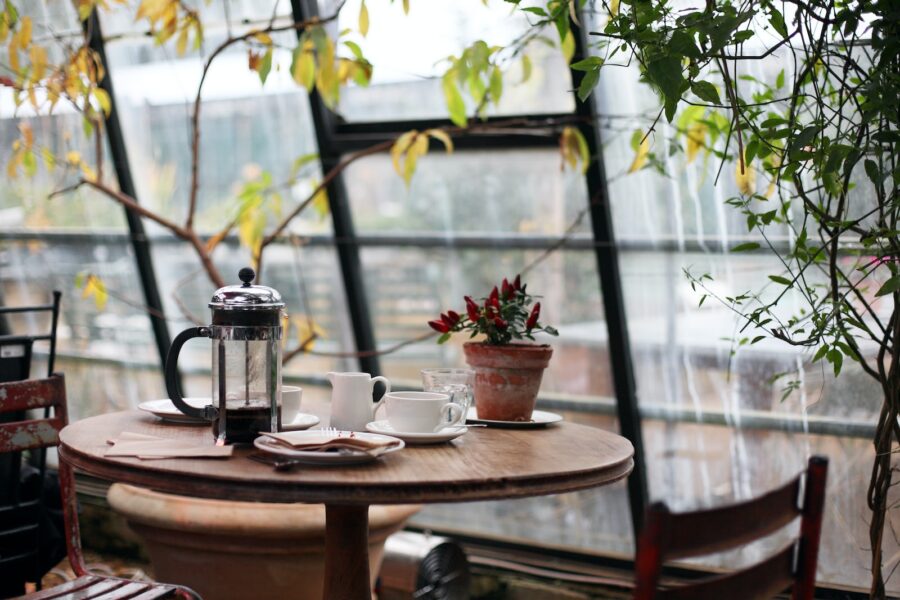
In recent years, the rise of remote and hybrid working has transformed the traditional landscape of work. Cafes now double as remote work hubs, and the flexible nature of remote work continues to redefine where and how we work.
A recent study revealed that almost one quarter (23%) of employed Brits, equivalent to seven million workers, regularly opt to work in cafes instead of at home or in their office. But is it actually safe to conduct professional work in a public setting?
Skillcast have outlined some of the potential risks of working in a public space:
Risks of working in cafes
- Wi-Fi Risks – Public networks in cafes are generally less secure, risking potential unauthorised access.
- Data Security– Public computers and networks risk hacking or malware threats, potentially jeopardising data security.
- Visual Privacy– Working in cafes can expose information, potentially compromising visual privacy.
- Eavesdropping– Conversations in cafes may be overheard, posing confidentiality risks.
- Limited Control– Less control over surroundings increases the risk of unauthorised access.
To address these, Skillcast has provided insight to mitigate security risks and enhance privacy for individuals who regularly work in public settings.
How to mitigate security risks
- Use a Virtual Private Network (VPN)
Employ a VPN to encrypt your internet connection, reducing the risk of hacking and unauthorised access to your data on public Wi-Fi networks.
- Secure Your Devices
Implement strong passwords, enable two-factor authentication, and keep your devices updated with the latest security patches to protect against potential breaches.
- Choose Secluded Seating
Opt for seating arrangements that provide more privacy, minimising the chances of visual exposure or eavesdropping.
- Invest in a Privacy Screen
Attach a privacy screen to your laptop to limit the viewing angles, preventing others from peering into your work.
- Beware of Shoulder Surfing
Be mindful of your surroundings and ensure no one is shoulder surfing or attempting to glance at your screen.
- Avoid Public Computers
If possible, refrain from using public computers, as they may pose greater security risks. Use your personal devices for work.
- Limit Sensitive Conversations
Keep work-related discussions to a minimum in public spaces, especially those involving confidential information.
- Regularly Update Security Software
Keep your antivirus and security software up to date to safeguard against potential threats.
- Use Encrypted Communication Tools
When communicating, use encrypted messaging and email services to protect the confidentiality of your conversations.
- Secure Physical Documents
If working with physical documents, use a privacy screen or work in a way that prevents others from easily seeing sensitive information.
As the workforce embraces flexibility, Vivek Dodd, CEO of Skillcast, underscores the importance of a discerning approach:
Not all jobs are equally suited for the cafe trend. Professions in regulated industries like healthcare, finance and legal services, where confidentiality is crucial, may find it less than ideal. Flexibility should align with the compliance demands of specific professions.
Vivek Dodd, CEO of Skillcast
Joanne is the editor for Workplace Wellbeing Professional and has a keen interest in promoting the safety and wellbeing of the global workforce. After earning a bachelor's degree in English literature and media studies, she taught English in China and Vietnam for two years. Before joining Work Well Pro, Joanne worked as a marketing coordinator for luxury property, where her responsibilities included blog writing, photography, and video creation.
- Joanne Swann
- Joanne Swann
- Joanne Swann
- Joanne Swann
- Joanne Swann
- Joanne Swann
- Joanne Swann
- Joanne Swann
- Joanne Swann
- Joanne Swann
- Joanne Swann
- Joanne Swann
- Joanne Swann
- Joanne Swann
- Joanne Swann
- Joanne Swann
- Joanne Swann
- Joanne Swann
- Joanne Swann
- Joanne Swann
- Joanne Swann
- Joanne Swann
- Joanne Swann
- Joanne Swann
- Joanne Swann
- Joanne Swann
- Joanne Swann
- Joanne Swann
- Joanne Swann
- Joanne Swann
- Joanne Swann
- Joanne Swann
- Joanne Swann
- Joanne Swann
- Joanne Swann
- Joanne Swann
- Joanne Swann
- Joanne Swann
- Joanne Swann
- Joanne Swann
- Joanne Swann
- Joanne Swann
- Joanne Swann
- Joanne Swann
- Joanne Swann
- Joanne Swann
- Joanne Swann
- Joanne Swann
- Joanne Swann
- Joanne Swann
- Joanne Swann
- Joanne Swann
- Joanne Swann
- Joanne Swann
- Joanne Swann
- Joanne Swann
- Joanne Swann
- Joanne Swann
- Joanne Swann
- Joanne Swann
- Joanne Swann
- Joanne Swann
- Joanne Swann
- Joanne Swann
- Joanne Swann
- Joanne Swann
- Joanne Swann
- Joanne Swann
- Joanne Swann
- Joanne Swann
- Joanne Swann
- Joanne Swann
- Joanne Swann
- Joanne Swann
- Joanne Swann
- Joanne Swann
- Joanne Swann
- Joanne Swann
- Joanne Swann
- Joanne Swann
- Joanne Swann
- Joanne Swann
- Joanne Swann
- Joanne Swann
- Joanne Swann
- Joanne Swann
- Joanne Swann
- Joanne Swann
- Joanne Swann
- Joanne Swann
- Joanne Swann
- Joanne Swann
- Joanne Swann
- Joanne Swann
- Joanne Swann
- Joanne Swann
- Joanne Swann
- Joanne Swann
- Joanne Swann
- Joanne Swann
- Joanne Swann
- Joanne Swann
- Joanne Swann
- Joanne Swann
- Joanne Swann
- Joanne Swann
- Joanne Swann
- Joanne Swann
- Joanne Swann
- Joanne Swann
- Joanne Swann
- Joanne Swann
- Joanne Swann
- Joanne Swann
- Joanne Swann
- Joanne Swann
- Joanne Swann
- Joanne Swann
- Joanne Swann
- Joanne Swann
- Joanne Swann
- Joanne Swann
- Joanne Swann
- Joanne Swann
- Joanne Swann
- Joanne Swann
- Joanne Swann
- Joanne Swann
- Joanne Swann
- Joanne Swann
- Joanne Swann
- Joanne Swann
- Joanne Swann
- Joanne Swann
- Joanne Swann
- Joanne Swann
- Joanne Swann
- Joanne Swann
- Joanne Swann
- Joanne Swann
- Joanne Swann
- Joanne Swann
- Joanne Swann
- Joanne Swann
- Joanne Swann
- Joanne Swann
- Joanne Swann
- Joanne Swann
- Joanne Swann
- Joanne Swann
- Joanne Swann
- Joanne Swann
- Joanne Swann
- Joanne Swann
- Joanne Swann
- Joanne Swann
- Joanne Swann
- Joanne Swann
- Joanne Swann
- Joanne Swann
- Joanne Swann
- Joanne Swann
- Joanne Swann
- Joanne Swann
- Joanne Swann
- Joanne Swann
- Joanne Swann
- Joanne Swann
- Joanne Swann
- Joanne Swann
- Joanne Swann
- Joanne Swann
- Joanne Swann
- Joanne Swann
- Joanne Swann
- Joanne Swann
- Joanne Swann
- Joanne Swann
- Joanne Swann
- Joanne Swann