

With staff facing another test to their mental resilience due to continued economic difficulties, a new report has revealed that businesses can help bolster wellbeing at work by utilising outdoor spaces and bringing nature into the workplace.
A study by global workplace creation experts, Unispace, has revealed that staff are keen to replicate the positive impact that access to outdoor spaces had on their mental wellbeing during the pandemic as tough economic times lie ahead.
The report, Bringing the outdoors into the office: Why do nature and green space play a crucial role in today’s workplace experience?, revealed that almost a quarter of office workers across Europe believe that their workspace should have more outside space.
Research from the Mental Health Foundation reveals that connecting with nature has a positive impact on mental health – with 70% of UK adults agreeing that being close to nature improves their mood, and 49% stating that being close to nature helps them cope with stress – employers are facing a growing desire from staff for better access to the outdoors at work.
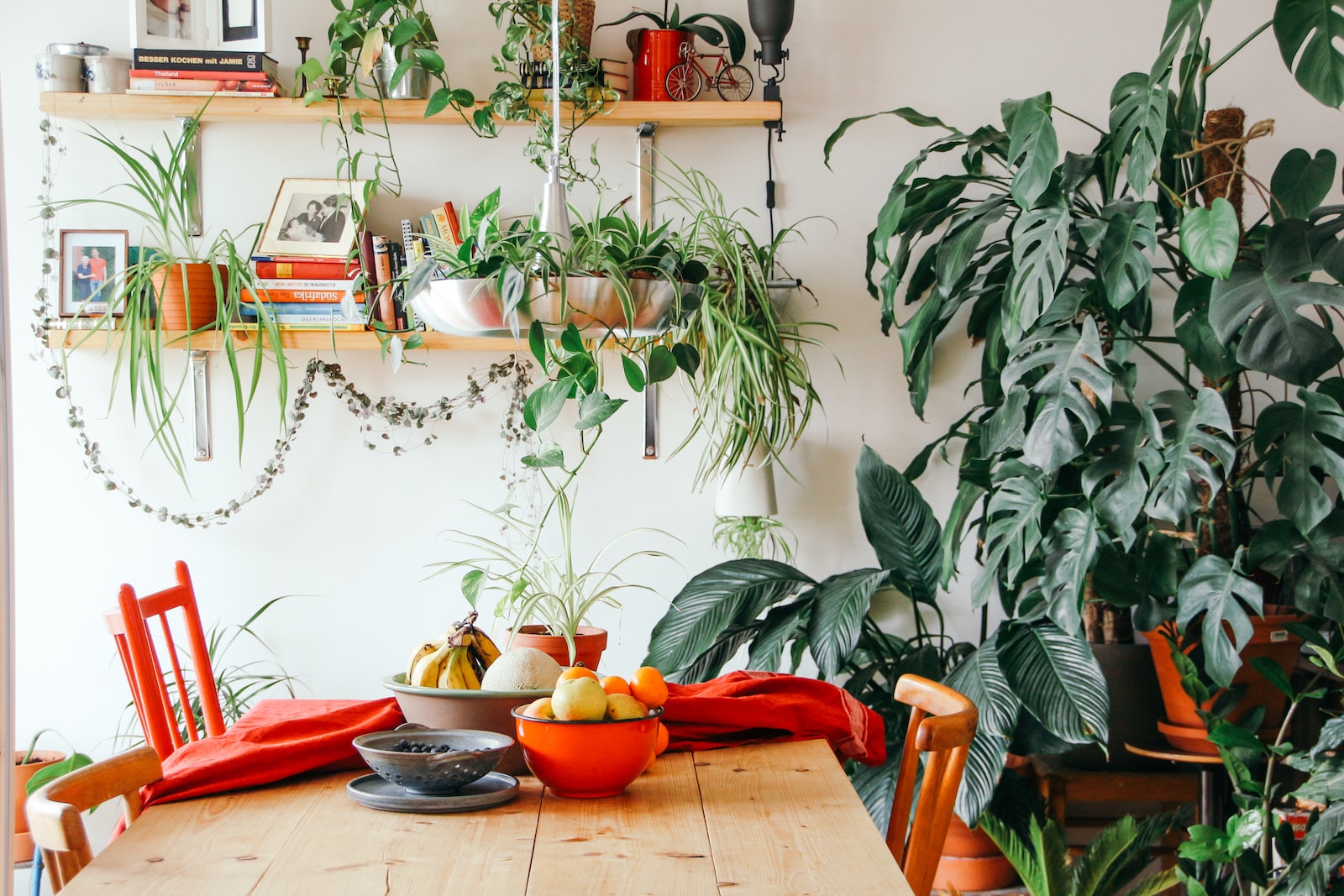
The report highlighted that while expanding the office into outside areas is not feasible for all, businesses need to consider how they can bring elements of the outdoors inside instead through carefully designed spaces with natural materials, visible planting, views of nature, ‘earthy’ colour schemes and natural light.
Bringing the outside in: who does it best?
According to Unispace’s study of 3,000 office workers across Europe, businesses in Switzerland appear to embrace the outside environment more when considering how they create a workspace, with 76% of respondents from this destination revealing they had access to outdoor spaces or terraces at work. Ireland (52%) and the UK (54%) reported the lowest number of offices with access to outdoor spaces, still, the fact that more than half of workplaces provide staff with this amenity is encouraging. Meanwhile, offices in the consumer goods sector reported the highest number of outdoor spaces (74%), with transportation and engineering, and property and real estate reporting the most limited access at 54%.
Antonia Walmsley, Principal of Design at Unispace comments:
There is no doubt that outdoor space and even biophilic design elements in the workplace can have a positive impact on employee health and wellbeing. People saw the benefits of being outside during the pandemic and as we face a tough economy globally, staff are looking to their employers to help support their mental wellbeing. Against this backdrop, it makes sense that the offices of tomorrow should be designed to include elements which relate to, or reflect nature wherever possible, so that existing employees and potential recruits can continue to enjoy the benefits that the natural environment brings as they settle into the new world of work.
Antonia Walmsley, Principal of Design at Unispace

Joanne is the editor for Workplace Wellbeing Professional and has a keen interest in promoting the safety and wellbeing of the global workforce. After earning a bachelor's degree in English literature and media studies, she taught English in China and Vietnam for two years. Before joining Work Well Pro, Joanne worked as a marketing coordinator for luxury property, where her responsibilities included blog writing, photography, and video creation.
- Joanne Swann
- Joanne Swann
- Joanne Swann
- Joanne Swann
- Joanne Swann
- Joanne Swann
- Joanne Swann
- Joanne Swann
- Joanne Swann
- Joanne Swann
- Joanne Swann
- Joanne Swann
- Joanne Swann
- Joanne Swann
- Joanne Swann
- Joanne Swann
- Joanne Swann
- Joanne Swann
- Joanne Swann
- Joanne Swann
- Joanne Swann
- Joanne Swann
- Joanne Swann
- Joanne Swann
- Joanne Swann
- Joanne Swann
- Joanne Swann
- Joanne Swann
- Joanne Swann
- Joanne Swann
- Joanne Swann
- Joanne Swann
- Joanne Swann
- Joanne Swann
- Joanne Swann
- Joanne Swann
- Joanne Swann
- Joanne Swann
- Joanne Swann
- Joanne Swann
- Joanne Swann
- Joanne Swann
- Joanne Swann
- Joanne Swann
- Joanne Swann
- Joanne Swann
- Joanne Swann
- Joanne Swann
- Joanne Swann
- Joanne Swann
- Joanne Swann
- Joanne Swann
- Joanne Swann
- Joanne Swann
- Joanne Swann
- Joanne Swann
- Joanne Swann
- Joanne Swann
- Joanne Swann
- Joanne Swann
- Joanne Swann
- Joanne Swann
- Joanne Swann
- Joanne Swann
- Joanne Swann
- Joanne Swann
- Joanne Swann
- Joanne Swann
- Joanne Swann
- Joanne Swann
- Joanne Swann
- Joanne Swann
- Joanne Swann
- Joanne Swann
- Joanne Swann
- Joanne Swann
- Joanne Swann
- Joanne Swann
- Joanne Swann
- Joanne Swann
- Joanne Swann
- Joanne Swann
- Joanne Swann
- Joanne Swann
- Joanne Swann
- Joanne Swann
- Joanne Swann
- Joanne Swann
- Joanne Swann
- Joanne Swann
- Joanne Swann
- Joanne Swann
- Joanne Swann
- Joanne Swann
- Joanne Swann
- Joanne Swann
- Joanne Swann
- Joanne Swann
- Joanne Swann
- Joanne Swann
- Joanne Swann
- Joanne Swann
- Joanne Swann
- Joanne Swann
- Joanne Swann
- Joanne Swann
- Joanne Swann
- Joanne Swann
- Joanne Swann
- Joanne Swann
- Joanne Swann
- Joanne Swann
- Joanne Swann
- Joanne Swann
- Joanne Swann
- Joanne Swann
- Joanne Swann
- Joanne Swann
- Joanne Swann
- Joanne Swann
- Joanne Swann
- Joanne Swann
- Joanne Swann
- Joanne Swann
- Joanne Swann
- Joanne Swann
- Joanne Swann
- Joanne Swann
- Joanne Swann
- Joanne Swann
- Joanne Swann
- Joanne Swann
- Joanne Swann
- Joanne Swann
- Joanne Swann
- Joanne Swann
- Joanne Swann
- Joanne Swann
- Joanne Swann
- Joanne Swann
- Joanne Swann
- Joanne Swann
- Joanne Swann
- Joanne Swann
- Joanne Swann
- Joanne Swann
- Joanne Swann
- Joanne Swann
- Joanne Swann
- Joanne Swann
- Joanne Swann
- Joanne Swann
- Joanne Swann
- Joanne Swann
- Joanne Swann
- Joanne Swann
- Joanne Swann
- Joanne Swann
- Joanne Swann
- Joanne Swann
- Joanne Swann
- Joanne Swann
- Joanne Swann
- Joanne Swann
- Joanne Swann
- Joanne Swann
- Joanne Swann
- Joanne Swann
- Joanne Swann
- Joanne Swann
- Joanne Swann
- Joanne Swann
- Joanne Swann
- Joanne Swann
- Joanne Swann
- Joanne Swann
- Joanne Swann
- Joanne Swann
- Joanne Swann