

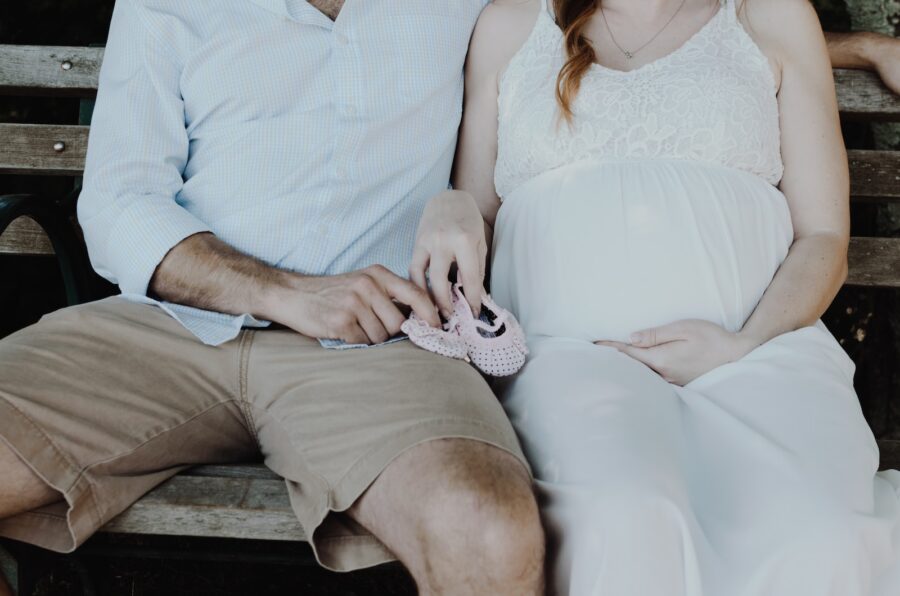
Working dads can be cautious about requesting shared parental leave as they fear the potential damage it could cause to their careers, new research shows.
In contrast, fathers who feel less worried are bolder in their approach, with many looking to change their future working patterns away from full-time hours when they return to work.
Researchers say that the cautious approach is a result of a workplace culture in the UK that frequently goes unchallenged and can deter new fathers from requesting parental leave or adjusting their working patterns.
Shared Parental Leave was introduced in the UK in 2015 as another type of leave in addition to maternity and paternity leave. It allows parents to share up to 50 weeks of leave during the first year after having a baby.
However, existing prejudices around fathers taking parental leave have been identified as a major factor, alongside a low rate of pay that makes it an unaffordable option for most British parents.
The research from Manchester Metropolitan University, published in the Community, Work & Family Journal, calls for organisations and policymakers to address these issues and move towards gender-equal parenting.
Jamie Atkinson, Senior Lecturer in Employment Law at Manchester Met’s Manchester Law School, said:
Requesting Shared Parental Leave should be a matter of process as it is a legal right for new fathers. However, organisations need to realise that they do more than simply process requests for leave. Organisations should seek to foster a supportive culture where active fatherhood is normalised and men have a genuine opportunity to prioritise their parental role without jeopardising their career development. If these structural barriers can be addressed, we will see more British fathers who will embrace involved fatherhood.
Jamie Atkinson, Senior Lecturer in Employment Law
Researchers interviewed 10 employed fathers for the study who had all taken shared parental leave, as well as four HR professionals. The common trends in the findings showed that fathers requesting leave could be categorised as either ‘cautious’ or ‘bold’.
Typically, the cautious group of fathers considered the needs of their employer in making requests for parental leave, kept in touch with their employer during the period of leave and maintained full-time hours on their return to work.
They felt conflicted by their commitment to what researchers term the ‘ideal worker norm’ and anxious about damaging their career prospects as a result of taking leave.
The bold group felt less constrained in their approach to requesting leave and were more likely to want to change from a full-time working pattern when they returned to work.
Atkinson said:
Even for those fathers who are committed to taking parental leave, the pressure that they feel in terms of expectations at work is a factor that can affect their decision-making about the timing and length of Shared Parental Leave. In order for this to change, we need more fathers to take parental leave, not just to challenge the ideal worker norm, but also to challenge the gendered perception of parental roles. The role of policymakers and stakeholders is crucial in trying to inform and persuade parents-to-be of the benefits of sharing parental leave in the early years.
Joanne is the editor for Workplace Wellbeing Professional and has a keen interest in promoting the safety and wellbeing of the global workforce. After earning a bachelor's degree in English literature and media studies, she taught English in China and Vietnam for two years. Before joining Work Well Pro, Joanne worked as a marketing coordinator for luxury property, where her responsibilities included blog writing, photography, and video creation.
- Joanne Swann
- Joanne Swann
- Joanne Swann
- Joanne Swann
- Joanne Swann
- Joanne Swann
- Joanne Swann
- Joanne Swann
- Joanne Swann
- Joanne Swann
- Joanne Swann
- Joanne Swann
- Joanne Swann
- Joanne Swann
- Joanne Swann
- Joanne Swann
- Joanne Swann
- Joanne Swann
- Joanne Swann
- Joanne Swann
- Joanne Swann
- Joanne Swann
- Joanne Swann
- Joanne Swann
- Joanne Swann
- Joanne Swann
- Joanne Swann
- Joanne Swann
- Joanne Swann
- Joanne Swann
- Joanne Swann
- Joanne Swann
- Joanne Swann
- Joanne Swann
- Joanne Swann
- Joanne Swann
- Joanne Swann
- Joanne Swann
- Joanne Swann
- Joanne Swann
- Joanne Swann
- Joanne Swann
- Joanne Swann
- Joanne Swann
- Joanne Swann
- Joanne Swann
- Joanne Swann
- Joanne Swann
- Joanne Swann
- Joanne Swann
- Joanne Swann
- Joanne Swann
- Joanne Swann
- Joanne Swann
- Joanne Swann
- Joanne Swann
- Joanne Swann
- Joanne Swann
- Joanne Swann
- Joanne Swann
- Joanne Swann
- Joanne Swann
- Joanne Swann
- Joanne Swann
- Joanne Swann
- Joanne Swann
- Joanne Swann
- Joanne Swann
- Joanne Swann
- Joanne Swann
- Joanne Swann
- Joanne Swann
- Joanne Swann
- Joanne Swann
- Joanne Swann
- Joanne Swann
- Joanne Swann
- Joanne Swann
- Joanne Swann
- Joanne Swann
- Joanne Swann
- Joanne Swann
- Joanne Swann
- Joanne Swann
- Joanne Swann
- Joanne Swann
- Joanne Swann
- Joanne Swann
- Joanne Swann
- Joanne Swann
- Joanne Swann
- Joanne Swann
- Joanne Swann
- Joanne Swann
- Joanne Swann
- Joanne Swann
- Joanne Swann
- Joanne Swann
- Joanne Swann
- Joanne Swann
- Joanne Swann
- Joanne Swann
- Joanne Swann
- Joanne Swann
- Joanne Swann
- Joanne Swann
- Joanne Swann
- Joanne Swann
- Joanne Swann
- Joanne Swann
- Joanne Swann
- Joanne Swann
- Joanne Swann
- Joanne Swann
- Joanne Swann
- Joanne Swann
- Joanne Swann
- Joanne Swann
- Joanne Swann
- Joanne Swann
- Joanne Swann
- Joanne Swann
- Joanne Swann
- Joanne Swann
- Joanne Swann
- Joanne Swann
- Joanne Swann
- Joanne Swann
- Joanne Swann
- Joanne Swann
- Joanne Swann
- Joanne Swann
- Joanne Swann
- Joanne Swann
- Joanne Swann
- Joanne Swann
- Joanne Swann
- Joanne Swann
- Joanne Swann
- Joanne Swann
- Joanne Swann
- Joanne Swann
- Joanne Swann
- Joanne Swann
- Joanne Swann
- Joanne Swann
- Joanne Swann
- Joanne Swann
- Joanne Swann
- Joanne Swann
- Joanne Swann
- Joanne Swann
- Joanne Swann
- Joanne Swann
- Joanne Swann
- Joanne Swann
- Joanne Swann
- Joanne Swann
- Joanne Swann
- Joanne Swann
- Joanne Swann
- Joanne Swann
- Joanne Swann
- Joanne Swann
- Joanne Swann
- Joanne Swann
- Joanne Swann
- Joanne Swann
- Joanne Swann
- Joanne Swann
- Joanne Swann
- Joanne Swann
- Joanne Swann
- Joanne Swann
- Joanne Swann
- Joanne Swann
- Joanne Swann
- Joanne Swann
- Joanne Swann
- Joanne Swann