

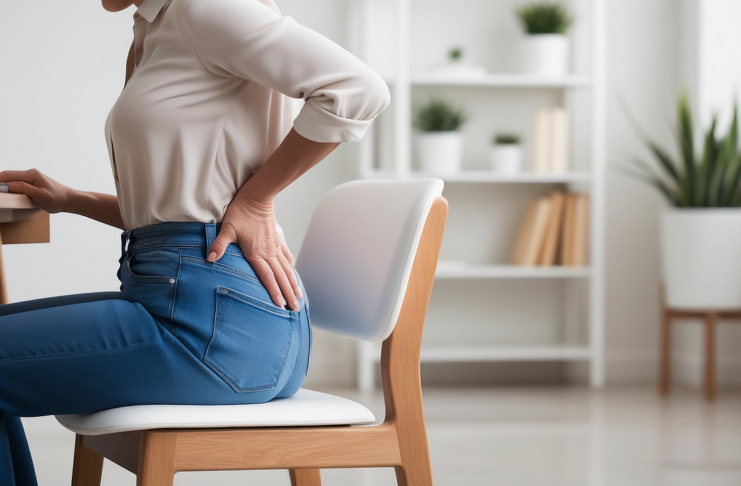
More than one in five UK workers experiences daily neck, shoulder or back pain, and remote employees and women have the highest levels of discomfort, the results of a new survey show.
The survey, by workplace design firm AJ Products (UK) Ltd, shows the need for improved workplace ergonomics and targeted health interventions to address physical strain caused by modern working habits.
Employees working from home suffer more frequent pain than those in offices or hybrid roles. Poor workstation setups, prolonged sitting and reduced movement contribute to the problem. Research suggests that inadequate home office arrangements can lead to chronic musculoskeletal problems, with remote workers often lacking the ergonomic support found in office environments.
Women 1.5 Times More Likely to Experience Pain
The data reveals a significant gender disparity, with 26% of women experiencing daily pain compared to just 16.4% of men. Studies suggest that factors such as workstation design, childcare responsibilities and stress-related muscle tension may play a role in this difference. The disparity raises concerns about workplace equity and the need for gender-sensitive health policies.
Workers aged 45-54 report the highest levels of daily pain, with 26.3% affected. The figures also vary across the UK, with Glasgow recording the highest rates (31.7%) and London the lowest (14.9%). The differences suggest that job types, commuting habits and regional work cultures may contribute to physical strain.
While taking breaks is often recommended to prevent workplace discomfort, the survey found no direct link between break frequency and a complete absence of pain. This suggests that while movement is beneficial, it’s not enough on its own — proper ergonomic setups and posture awareness are equally important.
Employers Urged to Take Action
Helen Beebe, managing director of AJ Products, emphasised the need for a proactive approach to tackling workplace-related pain problems.
“The availability of flexible working equipment and improved understanding of workplace wellness and ergonomics should eliminate pain from desk work,” she said.
“This data highlights the urgent need to prioritise workplace initiatives addressing physical and mental health. Businesses need to recognise that a one-size-fits-all approach to employee wellbeing may not be effective.”
Steps to Reduce Workplace Pain
Employers can help reduce workplace-related discomfort by:
- Providing ergonomic furniture – Adjustable chairs, sit-stand desks and proper screen positioning can significantly reduce strain.
- Encouraging movement – Regular stretching, walking breaks and posture exercises can help prevent stiffness.
- Educating employees – Training on workstation setup and posture awareness can reduce long-term risks.
- Offering flexible working solutions – Hybrid models with access to well-equipped office spaces can help mitigate issues caused by home working.
With workplace-related pain affecting such a significant portion of the UK workforce, experts say action is needed to prevent long-term health issues. Addressing ergonomic concerns, providing better resources and encouraging healthy work habits will not only improve employee wellbeing but also boost productivity and job satisfaction.