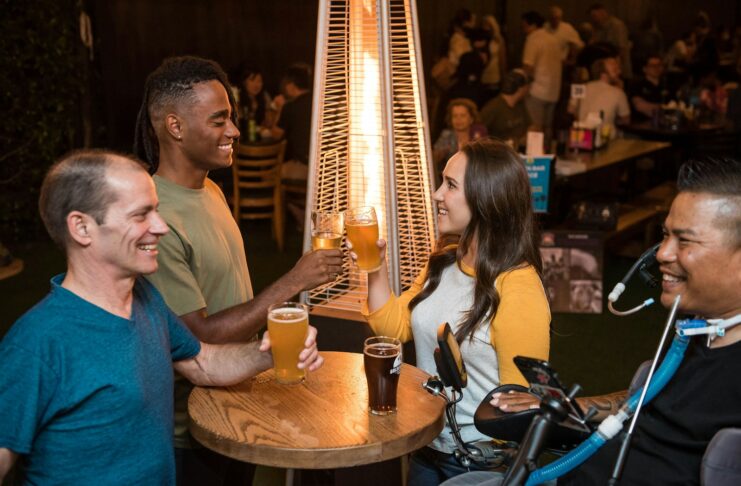
As temperatures rise and evenings grow longer, employees across the UK are flocking to pubs and terraces for after-work drinks — but motoring experts say many are unknowingly risking their jobs and licences, and even their lives.
Google searches for “drink drive limit” have soared by 119% in the past month, indicating confusion about the legal alcohol limit and when it’s safe to drive, especially the next morning.
Mike Fazal, CEO at vehicle leasing firm Leasing.com, said the spike in online searches showed just how many workers are uncertain about where the line is drawn. “Even small amounts of alcohol can slow reaction times and impact judgement,” he said. “The morning-after risk catches a lot of people out — just because you’ve slept, doesn’t mean you’re safe to drive.”
He warned that those using a car for work could be putting more than their licence at stake: “A moment of misjudgement could cost you your job or worse.”
Understanding the Legal Limit — and the Real Risk
The UK’s drink driving limit varies by region. In England, Wales and Northern Ireland, it stands at 35 micrograms of alcohol per 100 millilitres of breath, while Scotland enforces a stricter limit of just 22 micrograms. However, even staying under these legal thresholds does not guarantee safety or fitness to drive.
The penalties for drink driving are severe, including:
- Driving over the limit: Up to six months in prison, an unlimited fine and a ban of at least one year
- In charge of a vehicle while over the limit: Up to three months in prison and a fine of up to £2,500
- Refusing a test: Up to six months in prison and a driving ban
- Causing death by careless driving under the influence: Life imprisonment and a minimum five-year ban
Even first-time offenders face harsh consequences, which can include job loss, increased insurance premiums and damage to professional reputations.
What Employers Can Do
With many employees driving for work — whether in company cars, fleet vehicles or their own transport — experts say employers must take a proactive approach.
Fazal says that “[n]ow is a good time for companies to remind staff of their responsibilities. That might mean reinforcing policies, educating them on the morning-after risk or providing alternative travel for team events.”
Safety experts recommend the following measures:
- Update and share clear policies on drink driving and company vehicle use
- Educate staff on the legal alcohol limits and morning-after effects
- Offer alternative transport such as taxis or travel reimbursements for work events
- Provide alcohol breathalysers or access to testing kits for staff unsure of their fitness to drive
- Encourage a safety-first culture, especially during summer social activities
These steps, while simple, can significantly reduce risks for both employees and employers.
Workplace wellbeing includes making sure employees are safe not only at work but also when travelling home from social events. As the social calendar fills with after-work drinks and outdoor gatherings, businesses are being urged to take stock and lead by example.
“The safest option,” said Fazal, “is: if you’re drinking, don’t drive. If you’re driving, don’t drink. And if you’re ever in doubt the next morning, play it safe — take public transport or give it more time.”