

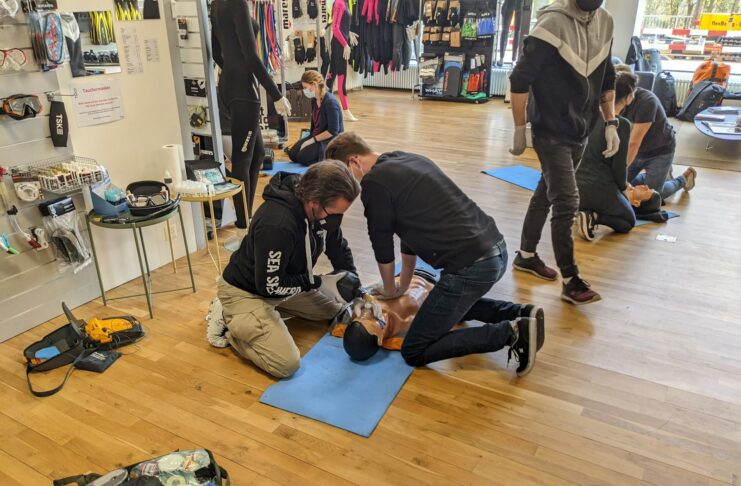
One in three UK employees report feeling anxious because on some days there is no trained first aider at work, the results of a survey show.
A study by health charity St John Ambulance found that 34 percent of workers feel anxious that trained first aiders may be absent from the workplace. The organisation’s Save a Life September campaign, launched to address the issue, encourages firms to train more staff in life‑saving first aid.
St John Ambulance’s research reveals a concerning safety and wellbeing gap, observers say. Nearly a quarter of the workforce (22 percent) has never received any first aid training. Among those who are trained, more than a fifth (22 percent) have qualifications that are over five years old, meaning they may have forgotten essential skills or be working with outdated training.
Of those trained, 43 percent have found themselves to be the only qualified first aider on site. Equally troubling, almost three in 10 (29 percent) employees have experienced days when no one present had first aid training. The findings show both physical and psychological risks for employees and underline the need for better first‑aid preparedness.
“Inconsistencies in working patterns, hybrid working and a lack of trained first aiders mean that employees are left at risk of not having any life‑saving support in a crisis,” said Lisa Sharman, national head of education and commercial training at St John Ambulance.
She emphasised that up‑to‑date, practical first aid training not only helped people act quickly and confidently but also reassured employees that their safety mattered. She urged employers to offer such training, even in low‑risk environments like offices.
“Even if your workplace seems low-risk, like an office, accidents and emergencies still happen – choking, slips, allergic reactions or even serious unexpected situations like terrorist attacks or natural disasters.” She also warned of potential legal repercussions if an employee was harmed because of inadequate first aid provision.
Caring Colleagues, Limited Capability
St John Ambulance’s findings show that employees care deeply for their colleagues, but caring does not always translate into capability when emergencies occur. Almost 79 percent of workers say they genuinely care for their colleagues and act on it through small everyday gestures.
Among the ways they show support are:
- Making a colleague laugh when stressed – 43 percent
- Taking on extra work to help – 39 percent
- Making tea or coffee when it is not their turn – 34 percent
- Covering when a colleague runs late – 32 percent
- Making a birthday cake – 14 percent
- Swapping teams for a sweepstake – 10 percent
Sharman pointed out that while these acts are thoughtful, they do not translate into emergency support. She adds that over a year, employees spend more than three working days making tea, which is time that could instead equip them with first aid skills that save lives.
“Getting first aid-trained is one of the strongest, clearest actions a colleague can take to show they care, because it’s practical, life‑saving and puts others first,” she says.
Save a Life September Campaign
St John Ambulance’s Save a Life September aims to teach 300,000 people essential first aid skills such as treating choking, responding to cardiac arrest and managing severe bleeding. The campaign encourages staff and employers to attend volunteer‑led demonstrations, training courses or to view online materials.
Beyond immediate safety, first aid training promotes employee wellbeing and confidence. Research by St John Ambulance and broader studies show that a lack of training can lead to panic and helplessness. Nearly half of people would feel panicked in a health emergency due to lack of training, the survey shows.
And workplace wellbeing programmes could benefit from integrating first aid training alongside mental health initiatives. Mental Health First Aid training, for instance, has been established as a valued public health intervention, demonstrating that knowledge and preparedness enhance overall workplace resilience.
Practical Steps For Employers
Experts say employers can use the campaign’s messaging to align with best practices in workplace wellbeing by:
- Doing a first aid audit
Identify how many trained first aiders are on site on different days, and how much of the workforce has up‑to‑date training. - Setting a clear target for coverage
Aim for multiple trained first aiders on every shift, particularly in hybrid or rotating working environments. - Offering accessible and relevant training
Provide on‑site courses, blended learning, refresher sessions and encourage staff to take part during working hours. - Creating a culture of safety and support
Highlight first aid training as a way to show you care for colleagues. Include it as part of overall wellbeing or care initiatives. - Combining with mental health preparedness
Pair first aid training with mental health awareness, as research shows that employees benefit psychologically from knowing they can respond in crises. - Monitoring and refreshing
Set reminders for refresher training and regularly assess coverage and confidence levels among staff.