

The Institution of Occupational Safety and Health (IOSH) has secured changes to new European Commission guidelines designed to help employers and workers manage asbestos-related health and safety risks at work.
The commission adopted the updated guidance late last month following consultation with stakeholders, with IOSH feeding into discussions and the draft wording. IOSH said it was pleased to have influenced the final text in two areas, with migrant workers identified as a high-risk group in mining and emergency responders defined in a way that recognises the risks faced by humanitarian aid workers, particularly in war zones.
Asbestos remains a major global challenge for both occupational health and public health. IOSH said asbestos was the biggest cause of occupational cancer and claimed hundreds of thousands of lives worldwide each year, adding that action was needed through improved public policy and occupational safety and health management.
Migrant Workers Named High-Risk Group
IOSH said the commission’s final wording reflected its call for migrant workers to be recognised as a high-risk group, particularly in mining.
It said it had argued during consultation that “Foreign and migrant workers have language barriers, poor occupational safety and health (OSH) induction and coverage, and may fear losing work or facing deportation for reporting unsafe working conditions.”
The institution said another recommendation adopted by the commission related to how emergency responders were defined in the new guidance. And that the commission’s definition of “emergency responders” was changed to explicitly recognise the risks faced by humanitarian aid workers, particularly in war zones.
Call for Firm Action
Ruth Wilkinson, head of policy and public affairs at IOSH, said it was encouraging to see the organisation’s expertise reflected in international guidance.
“It’s always heartening to see our expertise, experience and commitment to safer, healthier workplaces being recognised and acted on by our global partners,” she said.
Wilkinson said asbestos remained the world’s biggest cause of occupational cancer and called for stronger joint action.
“We want to see more action – specifically, joint action – from governments, public policymakers, businesses and other stakeholders to prevent exposure to asbestos, to manage asbestos risks, to drive up occupational safety and health standards and, ultimately, save lives,” she said.
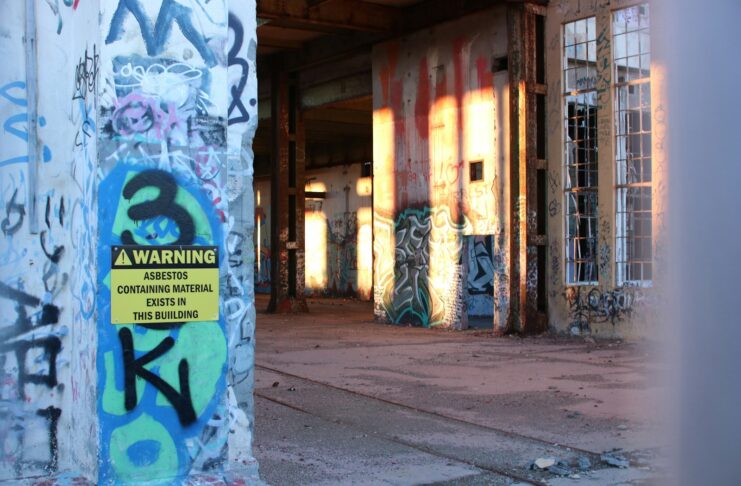
She added that asbestos continued to present a legacy risk in buildings and that awareness and understanding of asbestos management remained inconsistent.
“Despite asbestos being known as a work-related health hazards with the risks associated with its exposure, there is still a hazardous legacy within buildings that still contain asbestos. There remains too much uncertainty, lack of awareness and ignorance around managing asbestos. There’s a lot to do but at least these new European guidelines will help bring more clarity,” she said.
IOSH described itself as the world’s largest professional body for safety and health and said it had a global community of 50,000 members across 130 countries.