

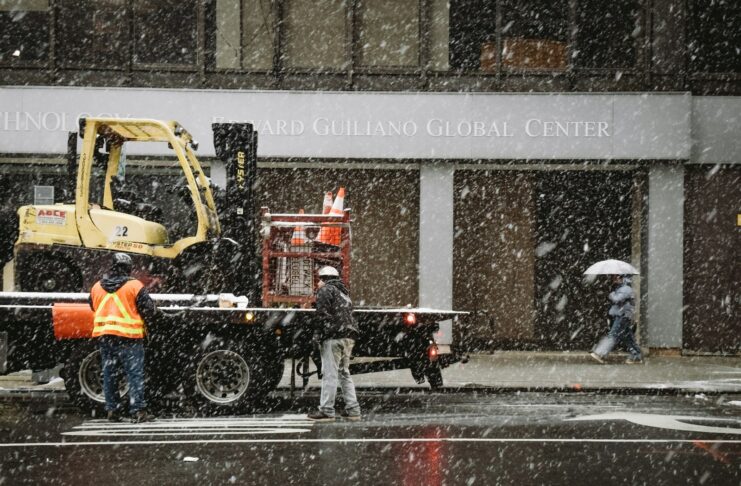
Prolonged cold conditions at the start of the year are increasing safety and wellbeing risks for tradespeople working outdoors, as parts of the UK experience snow, ice and sub-zero temperatures.
Early January has already seen multiple weather warnings issued by the Met Office, creating hazardous working conditions across construction sites and other outdoor workplaces. While there is no legal minimum temperature for outdoor work in the UK, employers remain responsible for managing risk and protecting workers from harm.
Cold exposure, reduced daylight and slippery surfaces combine to raise the likelihood of injury during winter months, particularly for workers whose roles require physical labour or prolonged time outdoors.
Cold Stress and Injury Risks Increase in Winter
Lauren Cramp, Health and Safety Executive director at building supplies firm Travis Perkins, said cold weather could place significant strain on the body if not properly managed.
“If your body gets to the point where it cannot stay warm, it will become vulnerable to illness and injuries, some of which can be life-threatening if ignored,” she said.
Cramp added that employers and workers should consider whether tasks are essential during periods of severe cold or whether work could be postponed until conditions improve.
Winter conditions also raise the risk of slips, trips and falls on site. Research suggests that around a quarter of non-fatal construction injuries during winter months are linked to falls caused by icy or wet surfaces.
Cramp said snow and ice could make stairs, ladders, scaffolding and walkways particularly dangerous if not properly maintained. She said gritting surfaces before overnight freezes and conducting full site checks before work begins are key steps in reducing risk.
“An entire site should then be checked first thing the next morning before any trade work begins,” she said. “Doing so will allow you to clear snow and ice from high-traffic areas, as well as clearly mark out any particularly dangerous areas where slips and falls are more likely so that they can be avoided.”
Clothing, Equipment Play Critical Role
Cold weather work also places greater importance on suitable clothing and protective equipment. Poor insulation, wet clothing and inadequate footwear can increase the risk of cold-related illness and injury, as well as reducing concentration and physical performance.
Cramp said workers should ensure they have access to appropriate winter workwear and avoid finishing the day in wet or cold clothing. “On top of these items, also always carry an entire change of clothing and footwear in your work vehicle,” she said.
Employers are expected to assess whether existing personal protective equipment remains suitable for winter conditions and make adjustments where needed.
Mental Health, Morale Pressures In January
Alongside physical risk, winter working conditions can take a toll on morale and mental wellbeing. Shorter days, cold weather and post-holiday financial pressures can contribute to stress and fatigue, particularly for self-employed tradespeople.
Cramp said flexibility in scheduling could help ease pressure during winter months. She said factoring in extra time for weather disruption and reduced daylight can lower stress and improve safety outcomes.
She encouraged workers to use quieter periods to focus on training or upskilling, rather than viewing delays solely as lost productivity.
Health Habits and Financial Strain
Cramp said winter could be an opportunity for workers to refocus on health habits that support wellbeing throughout the year. She pointed to sleep, reduced alcohol intake and maintaining vitamin D levels as factors that can influence energy and resilience during physically demanding work.
January can also bring financial pressure for tradespeople running their own businesses. Cramp said chasing overdue invoices, claiming eligible tax reliefs and reviewing budgets could help ease stress during a traditionally difficult month.
With cold weather likely to persist, she said a combination of better planning, improved site safety checks and attention to personal health can help workers manage both physical and mental demands through winter.