

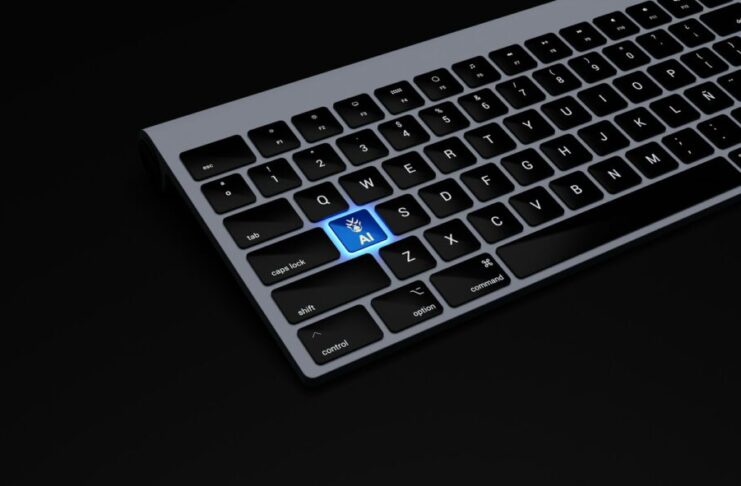
AI adoption is accelerating in the workplace – but new research suggests that concerns about job security and oversight remain high among staff.
The study, conducted by YouGov for business management software provider The Access Group, found that 41% of employees fear AI’s impact on their jobs, compared with 25% of HR leaders. Employees are also twice as likely to cite job loss as their primary concern, with 20% naming it as their number one fear compared with 9% of HR leaders.
This disconnect comes at a time when AI tools are becoming embedded in daily work. Around 70% of UK employees say they are experimenting with AI and 44% report using it in their day-to-day roles. However, only 19% say they have received formal training on how to use or manage these tools responsibly.
Hannah Walton, General Manager, Access People, said, “Now is HR’s moment to lead. The anxiety around AI is real – but so is the potential. People leaders who embrace change while acknowledging concerns will be the ones who shape the future of work, not just react to it.”
AI Adoption And The Workplace Training Gap
The research noted a clear imbalance between AI usage and structured guidance. While adoption continues to grow, formal support has not kept pace. Employees report adapting independently, often outside formal company programmes.
Walton said, “Rather than asking whether AI will change their roles, employees are asking how those changes will happen, what support they’ll receive, and who will help them adapt. Workers are eager and ambitious, already experimenting with AI tools and upskilling in their spare time, in spite of a lack of company support.”
Concerns about job security remain particularly strong in sectors such as media, marketing, construction and retail. Although wider research suggests AI is reshaping roles rather than replacing them outright, perception continues to influence morale and trust.
When asked what would increase confidence in workplace AI, employees prioritised transparency and accountability. More than half, 54%, want the right to know when AI is monitoring them. A further 52% want human review of significant AI-driven decisions and 50% want the right to challenge those decisions.
In contrast, HR decision makers tend to focus on operational benefits. Some 44% want to reduce time spent on routine administration, 34% seek faster insights from people data and 26% are looking for greater capacity for strategic planning.
Human Oversight And Trust In AI Decisions
Despite differences in perception, there is common ground. More than 70% of both employees and HR leaders agree that final decisions on matters such as redundancy, disciplinary action and hiring should rest with human judgement.
Reliability is another shared concern. AI providing incorrect or biased recommendations is cited as the top issue by 64% of employees and 54% of HR leaders.
Walton notes that leadership focus on efficiency gains is understandable but warns that employee confidence cannot be overlooked.
“It is natural for leadership to be enamoured by the efficiency savings AI can offer. However, as workplace AI adoption accelerates, the challenge now for leaders is to close the gap between workforce reality and leadership perception.”