

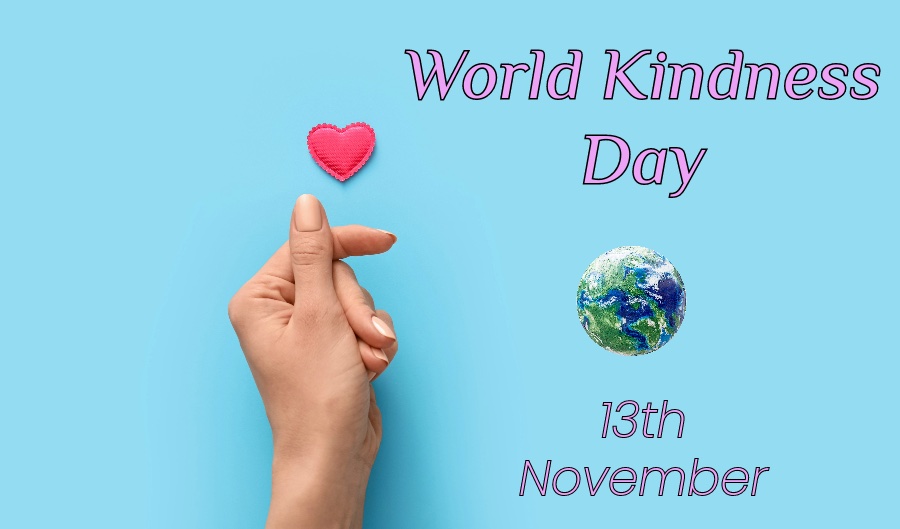
World Kindness Day is an international observance celebrated on November 13th each year. The primary purpose of World Kindness Day is to promote and encourage acts of kindness, compassion, and goodwill among people, both on an individual and societal level. It serves as a reminder that small acts of kindness can have a significant positive impact on individuals, communities, and the world as a whole.
The origin of World Kindness Day dates back to 1998 when it was introduced by the World Kindness Movement (WKM), a coalition of kindness organisations and groups from various countries. The WKM was established in 1997 and has the mission of inspiring and promoting kindness and goodwill worldwide.
Tips for promoting World Kindness Day in your organisation
1. Promote Kindness Within the Workplace:
*Encourage employees to perform random acts of kindness within the organisation. This can include simple gestures like offering help, expressing gratitude, or evening make your team a cup of tea!
*Highlight and reward acts of kindness within the workplace with certificates, shoutouts, or small prizes.
2. Organise Kindness Initiatives:
*Host workshops or seminars on the importance of kindness and empathy in the workplace, alongside how to recognise signs of workplace bullying and how to combat it.
*Start a “Pay It Forward” campaign where employees can perform kind acts and then encourage others to do the same.
3. Create Kindness Challenges:
*Develop challenges or activities that employees can participate in to spread kindness. This could include challenges like complimenting a colleague, sharing positive messages, or performing acts of charity.
Workplace Wellbeing Professional & Kindness
Workplace Wellbeing Professional recognises the profound importance of kindness, both in and outside of the workplace. Kindness serves as a cornerstone for building strong relationships. We frequently publish content that emphasises the significance of empathy, employee wellbeing and eradicating workplace bullying.
Discover some recent news releases below (with many more to be found under the ‘Topic Index’):
- The Link Between Bullying, Harassment and Imposter Syndrome
- 3 Tips for Looking After Your Employees
- World Mental Health Day: Employee Wellbeing Tops Priority List
Discover some recent exclusive feature articles submitted by healthcare and wellbeing experts (with many more to be found under the ‘Topic Index’:
- Annette Shaw: Tackling the Hidden Epidemic of Workplace Bullying
- Dr Carolyn Lorian: How Employers can Foster Positive Workplace Wellbeing
- Pam Boiros: Elements to Consider When Evaluating an Emotional Wellbeing Solution
Extra Resources
- KindnessUK provides a host of great ideas for organisations to get involved this World Kindness Day, including a pledge to truly hold your organisation accountable: https://kindnessuk.com/ideas_for_business.php
- The Random Acts of Kindness Foundation provides a number of free resources, including a kindness guide, kindness calendar, inspirational quotes and downloadable kindness certificates to reward your team: https://www.randomactsofkindness.org/kindness-at-work
- To find out a little bit more about the day, click here: https://www.awarenessdays.com/awareness-days-calendar/world-kindness-day-2023/
Don’t forget…
Workplace Wellbeing Professional has its own comprehensive guide for leaders who are looking fully understand what a kind working culture look likes, and tips for making changes when something feels wrong. Find out more below:

Joanne is the editor for Workplace Wellbeing Professional and has a keen interest in promoting the safety and wellbeing of the global workforce. After earning a bachelor's degree in English literature and media studies, she taught English in China and Vietnam for two years. Before joining Work Well Pro, Joanne worked as a marketing coordinator for luxury property, where her responsibilities included blog writing, photography, and video creation.
- Joanne Swann
- Joanne Swann
- Joanne Swann
- Joanne Swann
- Joanne Swann
- Joanne Swann
- Joanne Swann
- Joanne Swann
- Joanne Swann
- Joanne Swann
- Joanne Swann
- Joanne Swann
- Joanne Swann
- Joanne Swann
- Joanne Swann
- Joanne Swann
- Joanne Swann
- Joanne Swann
- Joanne Swann
- Joanne Swann
- Joanne Swann
- Joanne Swann
- Joanne Swann
- Joanne Swann
- Joanne Swann
- Joanne Swann
- Joanne Swann
- Joanne Swann
- Joanne Swann
- Joanne Swann
- Joanne Swann
- Joanne Swann
- Joanne Swann
- Joanne Swann
- Joanne Swann
- Joanne Swann
- Joanne Swann
- Joanne Swann
- Joanne Swann
- Joanne Swann
- Joanne Swann
- Joanne Swann
- Joanne Swann
- Joanne Swann
- Joanne Swann
- Joanne Swann
- Joanne Swann
- Joanne Swann
- Joanne Swann
- Joanne Swann
- Joanne Swann
- Joanne Swann
- Joanne Swann
- Joanne Swann
- Joanne Swann
- Joanne Swann
- Joanne Swann
- Joanne Swann
- Joanne Swann
- Joanne Swann
- Joanne Swann
- Joanne Swann
- Joanne Swann
- Joanne Swann
- Joanne Swann
- Joanne Swann
- Joanne Swann
- Joanne Swann
- Joanne Swann
- Joanne Swann
- Joanne Swann
- Joanne Swann
- Joanne Swann
- Joanne Swann
- Joanne Swann
- Joanne Swann
- Joanne Swann
- Joanne Swann
- Joanne Swann
- Joanne Swann
- Joanne Swann
- Joanne Swann
- Joanne Swann
- Joanne Swann
- Joanne Swann
- Joanne Swann
- Joanne Swann
- Joanne Swann
- Joanne Swann
- Joanne Swann
- Joanne Swann
- Joanne Swann
- Joanne Swann
- Joanne Swann
- Joanne Swann
- Joanne Swann
- Joanne Swann
- Joanne Swann
- Joanne Swann
- Joanne Swann
- Joanne Swann
- Joanne Swann
- Joanne Swann
- Joanne Swann
- Joanne Swann
- Joanne Swann
- Joanne Swann
- Joanne Swann
- Joanne Swann
- Joanne Swann
- Joanne Swann
- Joanne Swann
- Joanne Swann
- Joanne Swann
- Joanne Swann
- Joanne Swann
- Joanne Swann
- Joanne Swann
- Joanne Swann
- Joanne Swann
- Joanne Swann
- Joanne Swann
- Joanne Swann
- Joanne Swann
- Joanne Swann
- Joanne Swann
- Joanne Swann
- Joanne Swann
- Joanne Swann
- Joanne Swann
- Joanne Swann
- Joanne Swann
- Joanne Swann
- Joanne Swann
- Joanne Swann
- Joanne Swann
- Joanne Swann
- Joanne Swann
- Joanne Swann
- Joanne Swann
- Joanne Swann
- Joanne Swann
- Joanne Swann
- Joanne Swann
- Joanne Swann
- Joanne Swann
- Joanne Swann
- Joanne Swann
- Joanne Swann
- Joanne Swann
- Joanne Swann
- Joanne Swann
- Joanne Swann
- Joanne Swann
- Joanne Swann
- Joanne Swann
- Joanne Swann
- Joanne Swann
- Joanne Swann
- Joanne Swann
- Joanne Swann
- Joanne Swann
- Joanne Swann
- Joanne Swann
- Joanne Swann
- Joanne Swann
- Joanne Swann
- Joanne Swann
- Joanne Swann
- Joanne Swann
- Joanne Swann
- Joanne Swann
- Joanne Swann
- Joanne Swann
- Joanne Swann
- Joanne Swann
- Joanne Swann
- Joanne Swann
- Joanne Swann