
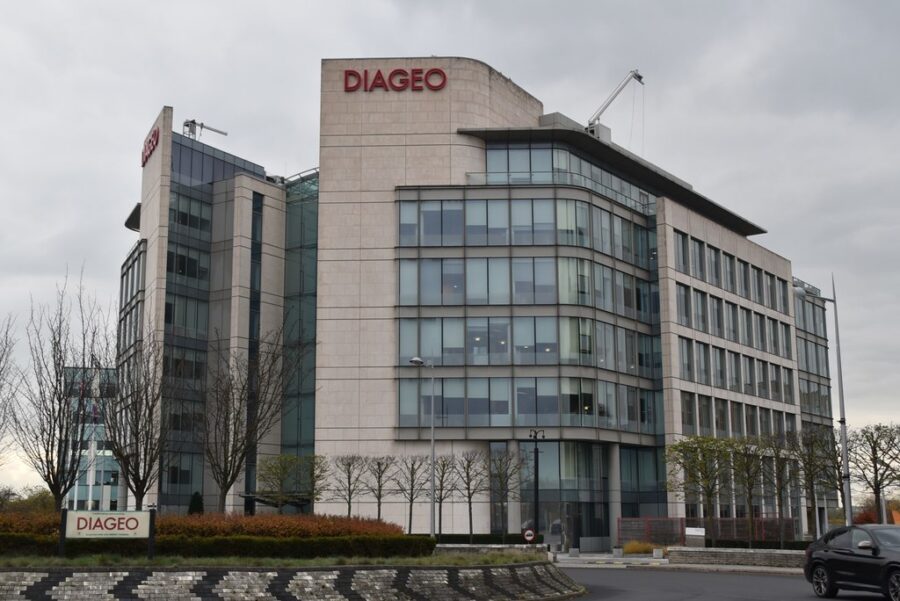
Diageo, one of the world’s leading drinks manufacturers, has been fined £500,000 following a catastrophic workplace accident that left a mechanical engineer with life-altering injuries.
The incident, which took place at Diageo’s Glenlossie Distillery Complex in Elgin, Scotland, on 24 March 2021, resulted in the worker being burned by pot ale, a byproduct of the whisky distillation process, at a blistering 104 degrees Celsius.
The engineer was in the process of repairing a defective pump when the hot liquid suddenly and unexpectedly escaped from a pipe, dousing him and causing severe burns to over 30% of his body.
His injuries affected multiple areas, including his arms, hands, shoulders, back, chest, lower legs and ankles. The severity of the burns required him to be placed in an induced coma for two weeks in intensive care.
A Preventable Tragedy
An investigation conducted by the Health and Safety Executive (HSE) revealed glaring lapses in Diageo’s safety protocols. It found that the company had not implemented adequate measures to ensure the safe isolation of plant and equipment, which is a fundamental aspect of industrial safety.
Investigators said the incident could have been avoided if proper procedures had been in place to prevent the release of hazardous substances.
Diageo Scotland Limited, headquartered in Lochside Place, Edinburgh, admitted to violating several sections of the Health and Safety at Work etc. Act 1974. Specifically, the company was found guilty of breaching Sections 2(1), 2(2)(a), 2(2)(c), 33(1)(a), and 33(1)(c) of the Act.
On 16 December 2024, Inverness Sheriff Court imposed a £500,000 fine on the company for its failure to safeguard its workers.
HSE Warning to Companies
HSE inspector Isabelle Martin criticised Diageo for failing to take adequate steps to prevent workers from injury.
“This incident could so easily have been avoided by ensuring that procedures were in place to ensure that changes to work equipment installed in the plant were safe,” she said. “However, more importantly, Diageo should have had procedures in place to ensure that plant could be isolated safely and prevent the release of hazardous and dangerous substances.”
Martin added a stern warning to other companies, saying that “[c]ompanies should be aware that HSE will not hesitate to take appropriate enforcement action against those that fall below the required standards.”
The HSE, as Britain’s national regulator for workplace health and safety, plays a key role in enforcing these standards and ensuring that workers’ safety is not compromised. The organisation is dedicated to protecting people and places and helping everyone lead safer and healthier lives. Cases like this highlight the necessity of their work and the ongoing need for rigorous adherence to safety regulations in workplaces across the UK.