

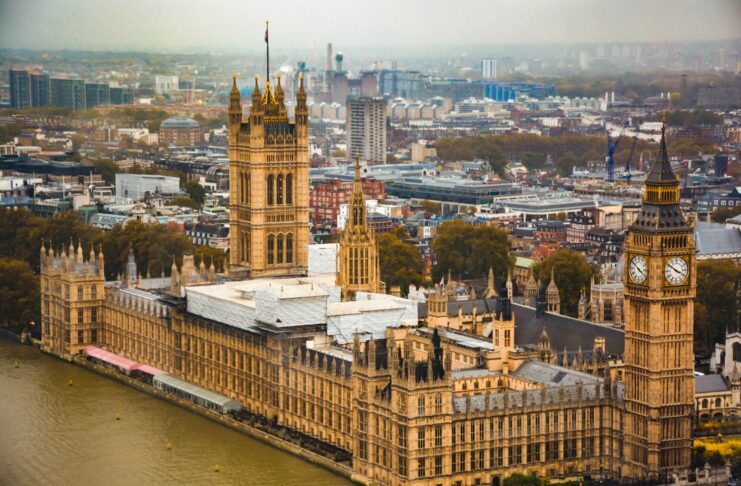
A surge in bullying, harassment and sexual misconduct allegations at Westminster is placing fresh attention on the psychological safety of parliamentary staff, and underlines the wider challenge facing employers across the UK.
The Independent Complaints and Grievance Scheme (ICGS), which handles misconduct allegations in both Houses of Parliament, opened 69 new cases in 2024–25. That’s up from 51 cases the previous year, marking a rise of more than a third.
Most complaints involved MPs and House of Commons administrative staff, raising concerns that despite previous reforms, the culture inside Parliament still exposes staff to significant wellbeing risks.
Power Imbalances at Heart of Problem
The ICGS was introduced in 2018 following a string of misconduct scandals and was widely welcomed as a significant step towards tackling unacceptable behaviour. But experts warn that the underlying dynamics in political workplaces remain difficult to address. The combination of high-pressure environments, long and unpredictable hours and entrenched hierarchies leaves many staff vulnerable.
Unlike most conventional workplaces, many parliamentary staff are employed directly by MPs or peers, rather than by a central HR body. It makes consistent standards and independent oversight more difficult to apply. In some cases, staff reporting inappropriate behaviour may feel their careers are at risk, deterring them from coming forward.
Legal Duties On Employers Have Tightened
The rise in complaints comes just as employers across the UK face stricter legal duties to prevent harassment. Since October 2024, the Worker Protection (Amendment of Equality Act 2010) Act has required all employers to take “reasonable steps” to prevent sexual harassment in the workplace. This duty applies not only to harassment between employees, but also to harassment involving clients, contractors, visitors and other third parties.
Failure to meet this duty can lead to significant legal consequences. Employment tribunals can increase compensation awards by up to 25 per cent where employers are found to have failed in their preventative obligations. In addition, the Equality and Human Rights Commission (EHRC) has been given stronger enforcement powers.
Kate Palmer, employment services director at advisory firm Peninsula, says employers must not treat prevention as a one-off exercise. “It’s not just about having signs in the workplace that sexual harassment is not tolerated,” she said, “but employers need to make sure that it’s embodied within the organisation that such behaviour is not acceptable from anyone, whatever role or seniority.”
She said “[s]teps may include having a policy, delivering training to staff, having a clear procedure in place for workers to report concerns and then ensuring that a full investigation is carried out and appropriate action taken.”
Psychological Safety Central To Wellbeing
Beyond legal compliance, experts stress that psychological safety — where staff feel safe to speak up without fear of punishment or humiliation — is essential for wellbeing.
The rise in complaints at Westminster may reflect a greater willingness by staff to report problems, rather than simply an increase in incidents. But either way, observers say the figures demonstrate that Parliament’s preventative measures are still not fully embedded.
The nature of parliamentary work presents particular risks for wellbeing. Formal social events, late-night debates and constituency obligations often blur the lines between professional and personal settings. Alcohol-fuelled gatherings have also been cited as aggravating factors in previous misconduct cases.
Parliament has attempted to address these issues through the ICGS, which provides an independent helpline, clear behavioural codes and external oversight panels. But calls for stronger independent governance continue, with an Assurance Board recommended in a 2024 review by Paul Kernaghan. This board, intended to provide permanent oversight of Parliament’s safeguarding processes, has not yet been fully established.
Lessons For All Employers
Although Parliament’s situation is unique, the core issues are familiar to many organisations: unclear reporting lines, inconsistent leadership standards, blurred social boundaries and insufficient support for those raising concerns.
The EHRC’s latest guidance sets out best practice for all employers seeking to meet their legal duties and create psychologically safe workplaces. These include:
- Conducting harassment risk assessments tailored to each organisation’s specific circumstances.
- Developing clear, well-publicised anti-harassment policies.
- Providing regular training for staff and managers on acceptable behaviour and reporting procedures.
- Offering multiple confidential reporting channels, including anonymous options.
- Ensuring all complaints are investigated thoroughly and fairly, with appropriate sanctions where necessary.
- Reviewing policies and procedures regularly to assess effectiveness and make improvements.
Experts emphasise that prevention is not simply about policies on paper, but about culture, leadership and continuous engagement with staff.
A Wider Cultural Shift Underway
Across sectors, employers are now reassessing their organisational culture and risk factors. Financial firms have reviewed social event policies to reduce exposure, and sectors such as healthcare and education have intensified efforts to safeguard employees from both internal and third-party harassment.
For Parliament, the surge in complaints shows that formal processes alone cannot create a culture of safety and respect. As the legislative bar rises, so too does the expectation that employers will not only respond to incidents but actively create environments where inappropriate behaviour is less likely to occur in the first place.
With growing public scrutiny and sharper legal risks, psychological safety is no longer a soft wellbeing issue but also a business-critical priority for any organisation serious about protecting staff and sustaining long-term performance.