

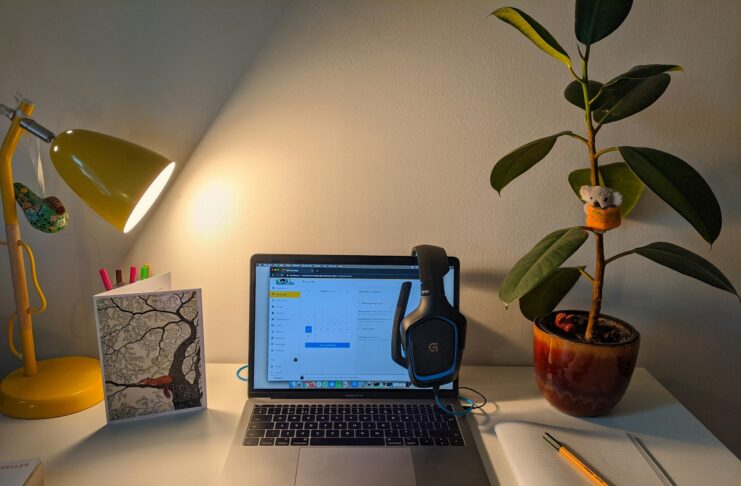
A growing number of employees are developing long-term physical and mental health problems due to poor home working setups, according to workplace health experts.
While working from home at least part of the week has become the norm for millions, the day-to-day strain of makeshift workstations is increasingly linked to back pain, eye strain, fatigue and poor sleep.
Brenig Moore, a health and safety expert at workplace health consultancy Astutis, said many workers were unaware of the cumulative impact of their home environment.
“A lot of people wouldn’t dare use a ladder incorrectly or lift heavy equipment without training, yet we work for eight hours a day, 35 hours a week, hunched over our laptops and think nothing of it,” he said. “Home working, while great for flexibility, can be the absolute devil for future health problems.”
He warned that failing to set up workstations properly could lead to serious musculoskeletal issues and contribute to stress and burnout.
Employers’ Duty to Act
Display Screen Equipment (DSE) regulations require employers to assess workstations for any employee who uses a screen regularly as part of their job. It includes staff working from home.
Moore said proper assessments reduced strain and discomfort and supported mental wellbeing by preventing fatigue and stress.
“If you work at a desk, laptop or screen for any length of time, a proper DSE assessment is essential,” he said. “It ensures your workstation is set up ergonomically, reducing physical strain and discomfort, and by preventing fatigue, stress and burnout, it also helps support your overall mental well-being.”
Five Common Mistakes — And How to Avoid Them
Based on Astutis’ experience delivering DSE assessments and training, Moore outlined five mistakes he regularly sees in home working environments, and what employers and staff can do about them.
- Working at the Kitchen Table
Dining chairs and bar stools are not designed for prolonged use. “Sitting on hard dining chairs and bar stools on your kitchen island places excessive pressure on the bottom of your spine and your hips,” said Moore. This leads people to lean forward and slouch, causing long-term posture problems.
Solution: Use a proper adjustable chair where possible. If not, add a cushion for lumbar support and check that your hips are level with or slightly above your knees.
- Laptop Too Low
Laptops encourage a hunched posture, straining the neck and shoulders. “If your chin drops towards your chest when working, then you’re constantly loading the neck muscles,” said Moore. This is a common cause of tension headaches.
Solution: Raise the laptop to eye level with a stand or stack of books and use an external keyboard and mouse.
- Slouching on the Sofa
Although comfortable in the moment, sofas lead to spinal rounding and neck craning. “It’s horrendous for posture,” said Moore.
Solution: Work at a desk where possible. If the sofa is the only option, use a cushion behind your lower back and place the laptop on a tray or pillow to elevate it.
- Forgetting to Move
Without the natural movement built into office life — such as walking to meetings — many people stay seated for hours. “Sitting still for hours reduces circulation and causes stiffness,” said Moore.
Solution: Set a timer to stand, stretch or walk every hour. Movement is a critical part of ergonomics.
- Bad Lighting and Screen Glare
Poor lighting can lead to headaches and eye strain. “Working by a window or under harsh lighting forces your eyes to strain and can lead to poor sleep,” said Moore.
Solution: Position screens at ninety degrees to windows and use soft, indirect lighting. Follow the 20-20-20 rule: every 20 minutes, look at something 20 feet away for 20 seconds.
A Preventable Health Risk
The Health and Safety Executive’s guidance on DSE stresses that poorly designed workstations can cause repetitive strain injury, backache, fatigue and eye strain. Yet many home workers have never received a formal assessment.
Moore said employers should not treat home working setups as a personal matter. “This is a clear employer responsibility,” he said. “Ignoring workstation risks just because someone is not in the office doesn’t remove the legal or moral duty of care.”