

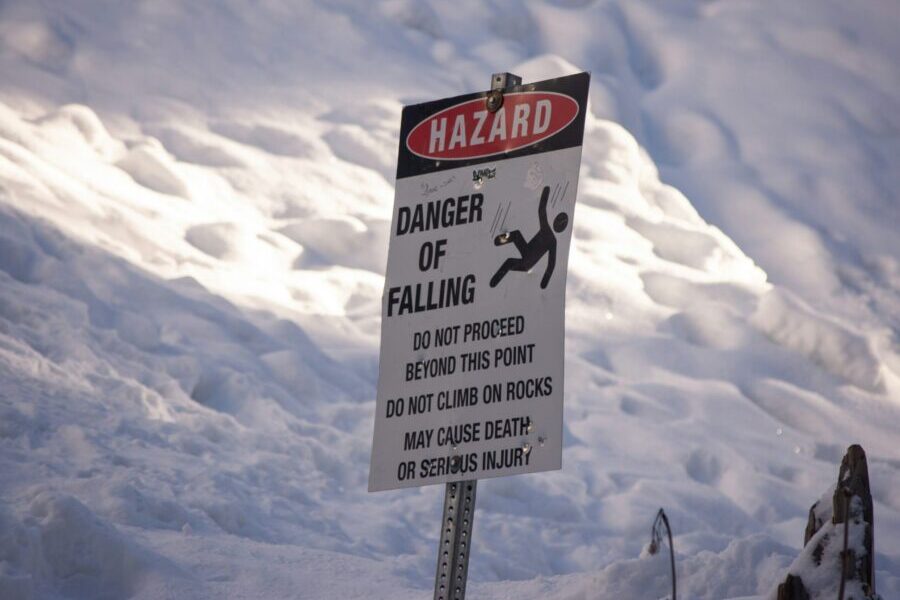
New research has uncovered the most common types of workplace injuries in the UK and which regions experience the highest frequency of reported incidents.
The study, conducted by bespoke material and handling equipment manufacturers, BlueTrolley analysed ONS data from 2021 to 2023, highlighting the top causes of non-fatal, self-reported workplace injuries, calculating the incident rate per 100,000 workers.
| Type of accident | Number of reported incidents (2021 – 2023) | Incidents per 100,000 workers |
| Injured while handling, lifting or carrying | 117,000 | 370 |
| Slipped, tripped or fell on the same level | 96,000 | 300 |
| Physically assaulted by a person | 40,000 | 130 |
| Hit by moving, flying, falling object | 38,000 | 120 |
| Contact with moving machinery | 32,000 | 100 |
| Fell from a height | 26,000 | 84 |
| Hit something fixed or stationary | 23,000 | 74 |
| Injured by an animal | 20,000 | 65 |
| Injured while handling, lifting or carrying | 117,000 | 370 |
The data identifies that injuries while handling, lifting, or carrying are the most frequent, with 117,000 incidents reported, equating to 370 incidents per 100,000 workers.
Slips, trips, and falls on the same level are the second most common type of accident, with 96,000 incidents reported, or 300 incidents per 100,000 workers.
Other significant causes of workplace injuries include being physically assaulted by a person (40,000 incidents), being hit by moving, flying, or falling objects (38,000 incidents), and contact with moving machinery (32,000 incidents).
| Region | Number of self-reported incidents 2021 – 2023 | Incidents per 100,000 workers |
| South West | 60,000 | 2,130 |
| North East | 23,000 | 1,950 |
| West Midlands | 50,000 | 1,820 |
| East Midlands | 42,000 | 1,780 |
| East | 54,000 | 1,740 |
| South East | 79,000 | 1,700 |
| Wales | 24,000 | 1,670 |
| Yorkshire and The Humber | 42,000 | 1,640 |
| North West | 54,000 | 1,610 |
The regional analysis reveals that the South West is the UK region with the highest rate of workplace injuries, reporting 60,000 incidents, which translates to 2,130 incidents per 100,000 workers.
The North East follows with 23,000 incidents and an incidence rate of 1,950 per 100,000 workers.
The West Midlands reported 50,000 incidents, leading to a rate of 1,820 per 100,000 employees, also indicating a significant need for enhanced safety measures.
In contrast, London reported the lowest rate of workplace injuries, with 55,000 incidents resulting in an incidence rate of 1,150 per 100,000 workers.
A spokesperson for BlueTrolley commented:
Understanding the common causes of workplace injuries and the regions most affected is crucial for improving safety standards across the UK. We hope these insights highlight the areas of risk that need more health & safety measures put into place, as well as which regions need to take precautions to lower the number of incidents. Our aim is to provide employers with the tools and knowledge they need to protect their workers and reduce the risk of accidents.

Joanne is the editor for Workplace Wellbeing Professional and has a keen interest in promoting the safety and wellbeing of the global workforce. After earning a bachelor's degree in English literature and media studies, she taught English in China and Vietnam for two years. Before joining Work Well Pro, Joanne worked as a marketing coordinator for luxury property, where her responsibilities included blog writing, photography, and video creation.
- Joanne Swann
- Joanne Swann
- Joanne Swann
- Joanne Swann
- Joanne Swann
- Joanne Swann
- Joanne Swann
- Joanne Swann
- Joanne Swann
- Joanne Swann
- Joanne Swann
- Joanne Swann
- Joanne Swann
- Joanne Swann
- Joanne Swann
- Joanne Swann
- Joanne Swann
- Joanne Swann
- Joanne Swann
- Joanne Swann
- Joanne Swann
- Joanne Swann
- Joanne Swann
- Joanne Swann
- Joanne Swann
- Joanne Swann
- Joanne Swann
- Joanne Swann
- Joanne Swann
- Joanne Swann
- Joanne Swann
- Joanne Swann
- Joanne Swann
- Joanne Swann
- Joanne Swann
- Joanne Swann
- Joanne Swann
- Joanne Swann
- Joanne Swann
- Joanne Swann
- Joanne Swann
- Joanne Swann
- Joanne Swann
- Joanne Swann
- Joanne Swann
- Joanne Swann
- Joanne Swann
- Joanne Swann
- Joanne Swann
- Joanne Swann
- Joanne Swann
- Joanne Swann
- Joanne Swann
- Joanne Swann
- Joanne Swann
- Joanne Swann
- Joanne Swann
- Joanne Swann
- Joanne Swann
- Joanne Swann
- Joanne Swann
- Joanne Swann
- Joanne Swann
- Joanne Swann
- Joanne Swann
- Joanne Swann
- Joanne Swann
- Joanne Swann
- Joanne Swann
- Joanne Swann
- Joanne Swann
- Joanne Swann
- Joanne Swann
- Joanne Swann
- Joanne Swann
- Joanne Swann
- Joanne Swann
- Joanne Swann
- Joanne Swann
- Joanne Swann
- Joanne Swann
- Joanne Swann
- Joanne Swann
- Joanne Swann
- Joanne Swann
- Joanne Swann
- Joanne Swann
- Joanne Swann
- Joanne Swann
- Joanne Swann
- Joanne Swann
- Joanne Swann
- Joanne Swann
- Joanne Swann
- Joanne Swann
- Joanne Swann
- Joanne Swann
- Joanne Swann
- Joanne Swann
- Joanne Swann
- Joanne Swann
- Joanne Swann
- Joanne Swann
- Joanne Swann
- Joanne Swann
- Joanne Swann
- Joanne Swann
- Joanne Swann
- Joanne Swann
- Joanne Swann
- Joanne Swann
- Joanne Swann
- Joanne Swann
- Joanne Swann
- Joanne Swann
- Joanne Swann
- Joanne Swann
- Joanne Swann
- Joanne Swann
- Joanne Swann
- Joanne Swann
- Joanne Swann
- Joanne Swann
- Joanne Swann
- Joanne Swann
- Joanne Swann
- Joanne Swann
- Joanne Swann
- Joanne Swann
- Joanne Swann
- Joanne Swann
- Joanne Swann
- Joanne Swann
- Joanne Swann
- Joanne Swann
- Joanne Swann
- Joanne Swann
- Joanne Swann
- Joanne Swann
- Joanne Swann
- Joanne Swann
- Joanne Swann
- Joanne Swann
- Joanne Swann
- Joanne Swann
- Joanne Swann
- Joanne Swann
- Joanne Swann
- Joanne Swann
- Joanne Swann
- Joanne Swann
- Joanne Swann
- Joanne Swann
- Joanne Swann
- Joanne Swann
- Joanne Swann
- Joanne Swann
- Joanne Swann
- Joanne Swann
- Joanne Swann
- Joanne Swann
- Joanne Swann
- Joanne Swann
- Joanne Swann
- Joanne Swann
- Joanne Swann
- Joanne Swann
- Joanne Swann
- Joanne Swann
- Joanne Swann
- Joanne Swann
- Joanne Swann
- Joanne Swann
- Joanne Swann
- Joanne Swann
- Joanne Swann
- Joanne Swann
- Joanne Swann
- Joanne Swann