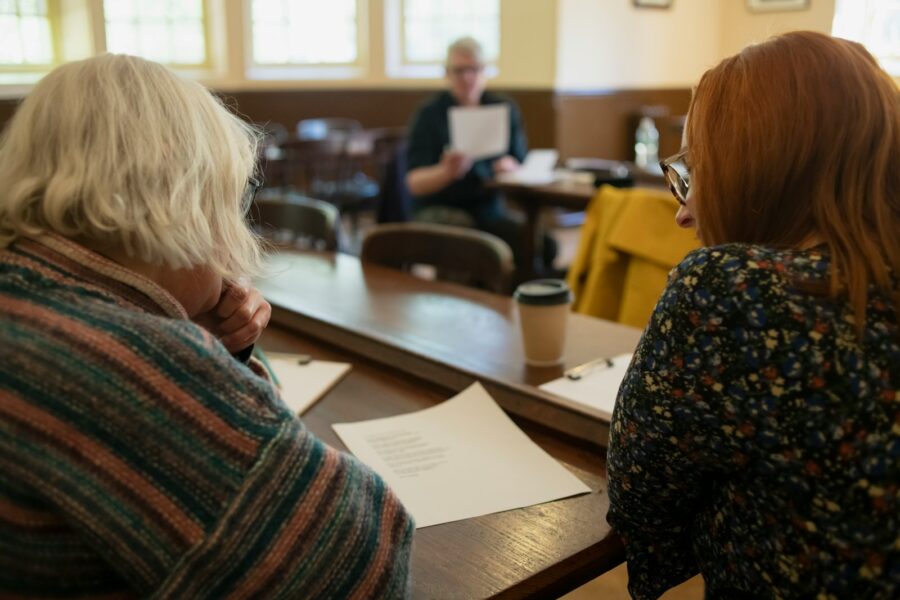
A generational divide in workplace mental health is leaving older employees feeling unsupported, with stigma acting as a significant barrier to accessing resources, according to a new survey. Only 39% of employees aged 55-64 believe their managers are equipped to support mental health, compared to 60% of 18-24-year-olds.
The research, carried out by workplace mental health platform Unmind, surveyed 2,500 UK employees to examine attitudes toward mental health and emerging technologies. The findings highlight that older workers often feel excluded from mental health discussions, with their needs overshadowed by the focus on younger generations.
Stigma Silences Older Workers
For workers aged 55-64, stigma is the most significant obstacle to accessing mental health resources. More than half (51%) of this group avoid seeking support due to stigma, compared to just 29% of 18-24-year-olds. Experts say businesses need to address age-related stress and other unique challenges faced by older employees, particularly as people remain in the workforce longer.
Younger employees are far more optimistic about the potential of artificial intelligence in workplace mental health, the research suggests. Over four in five (82%) Gen Z workers believe AI will transform mental health support by 2030, while only 52% of those aged 65 and older share this view.
Similarly, 31% of 18-24-year-olds believe AI should lead mental health interventions by 2030, compared to just 10% of 55-64-year-olds.
The study also highlights a gender divide, with 83% of men seeing AI as significant for workplace wellbeing, compared to 71% of women. The disparities suggest businesses must carefully design AI-based mental health tools to ensure trust and accessibility for all demographics.
Despite the challenges, trust in AI is growing, the survey shows. Concerns about compliance with regulations have dropped from 33% in 2024 to 25% in 2025, and worries about integrating AI into existing HR systems have declined from 31% to 20%.
EAPs Failing to Engage Older Workers
Employee Assistance Programmes (EAPs), long considered a cornerstone of workplace mental health support, are increasingly viewed as outdated. One-third (34%) of respondents believe EAPs are no longer relevant, with their perceived effectiveness varying widely across demographics.
Among employees aged 55-64, just 59% rate EAPs favourably, compared to 76% of 25-34-year-olds. It reflects a broader challenge in ensuring EAPs meet the needs of all employees, especially older workers. Even within organisations, perceptions differ significantly: while 83% of C-suite leaders believe EAPs are effective, only 62% of managers agree.
Unmind CEO and co-founder Dr Nick Taylor said workplace mental health strategies must be tailored to reflect the diverse needs of employees.
“This data paints a clear picture: workplace mental health is not one-size-fits-all. For older generations, discussing mental health and illness is still stigmatised, while younger generations see these conversations as an essential part of overall health,” he said.
Generational, gender, and role-based differences meant organisations must take a tailored approach to the issue, said Dr Taylor.
“As AI tools become more prominent, it’s vital they’re implemented thoughtfully, with a focus on complementing human support. By tackling stigma, engaging older employees, and ensuring resources like EAPs work for everyone, businesses can build modern and meaningful wellbeing strategies.”