

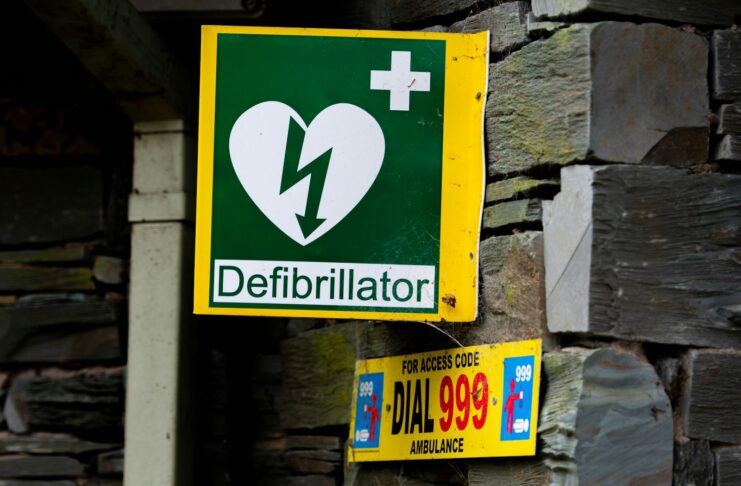
Many employees remain unprepared to respond to cardiac emergencies at work despite the prevalence of incidents, according to new research from St John Ambulance. With more than one in seven cardiac arrests taking place in the workplace, the findings point to a need for accessible equipment and stronger first aid confidence among staff.
The research shows that prompt CPR and defibrillation can more than double survival rates, yet significant numbers of people do not feel ready to act.
Over half of respondents said they do not know how to give CPR. Almost two thirds said they would lack confidence to use a defibrillator even though early intervention is essential in restoring normal heart rhythm during a cardiac arrest.
Gaps in First Aid Training
A lack of first aid training contributes to this uncertainty. Nearly half of those surveyed said they would feel panicked if faced with a medical emergency. The study also identifies a willingness to learn, with more than half saying cardiac arrest response is among the most important first aid skills.
Sixteen per cent believe mandatory first aid training at work would encourage people to intervene in emergencies including those requiring a defibrillator.
St John Ambulance has launched its HEART defibrillators to help address these gaps and support faster intervention in workplaces. The devices provide step-by-step prompts so that users can act quickly even without prior experience.
“By installing defibrillators in the workplace HR and health and safety professionals can make a real difference to survival outcomes,” said Claire Vaughan, Director of People and Culture at St John Ambulance.
Workplace Responsibilities and Access to Equipment
Although state schools are currently the only UK workplaces legally required to install defibrillators, employers across all sectors must ensure appropriate first aid equipment is available based on risk assessments. In environments with heightened risks, failing to provide a defibrillator may be considered a breach of duty of care under existing health and safety obligations.
Vaughan said, “Cardiac arrests often happen in the workplace but too few businesses have defibrillators. By training staff to know how to respond to a cardiac emergency and installing these simple-to-use life-saving devices, employers can give people the confidence to act.”
She added that providing the right equipment helps protect employees, visitors and customers by improving the likelihood of survival should an incident occur on site.