

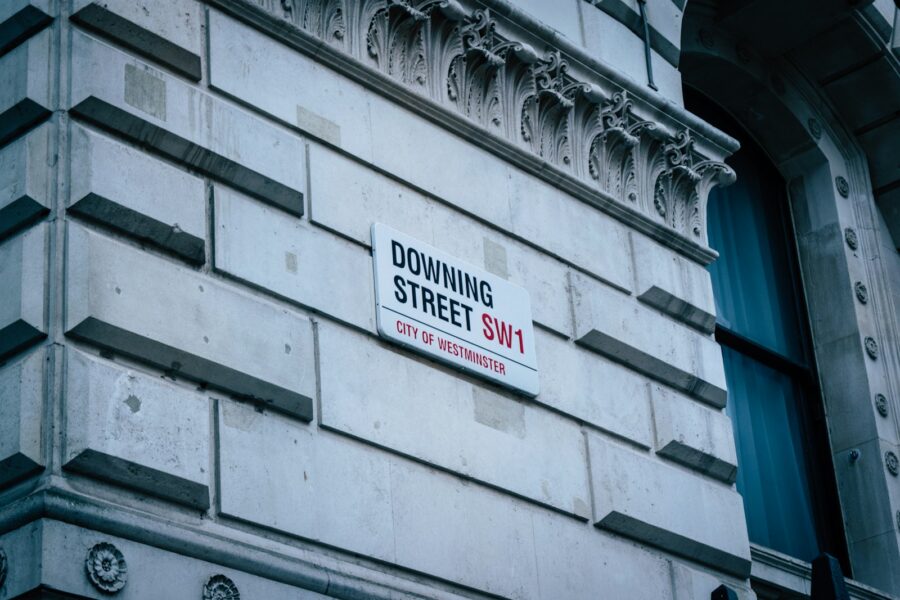
In an initiative outlined by Prime Minister Rishi Sunak, the government proposes a significant shift in the process of issuing fit notes, moving the responsibility from general practitioners to designated specialists in work and health. This change is intended as a solution to what has been characterised as an entrenched ‘sick note culture’, with the aim to refocus the narrative towards the capacities rather than the limitations of individuals in the workforce.
According to the Prime Minister, this strategic adjustment is designed to facilitate quicker, more specialised support to enable individuals to return to work, beginning from their initial fit note discussion. He detailed a plan to test the delegation of assessments from GPs to specialists who can dedicate time for an objective evaluation of a person’s work capabilities, alongside providing bespoke support as needed.
The government will launch a call for evidence this Friday to gather insights from healthcare professionals, employers, and those personally affected by the current system, seeking recommendations for enhancing the fit note issuance process. This inquiry aims to address a system where last year nearly 11 million fit notes were issued in England, the vast majority of which deemed individuals unfit for work.
In conjunction with this policy proposal, concerns have been raised by industry experts regarding the adequacy of support systems for those affected by mental health issues. Karl Bennett, Wellbeing Director of Vivup and Chair of the Employee Assistance Professionals Association (EAPA), criticises the government’s approach as overly simplistic and potentially detrimental to those it aims to assist. Bennett highlights the critical need for robust support structures within the NHS to aid individuals dealing with mental health challenges, arguing that the focus should instead be on empowering access to comprehensive Employee Assistance Programmes (EAPs) that support mental well-being and facilitate a swift return to work.
Mr. Bennett further stresses the importance of employers recognising and addressing mental health within the workplace through regular training and a supportive organisational culture. He asserts that funding should be made available to employers to ensure they do not have to choose between supporting their employees’ mental health and financial viability.
The government maintains that the reforms will preserve a safety net for those genuinely in need but aims to alter the overarching culture around sickness absence, emphasising a shift towards assessing and enhancing capability rather than incapacity.
This policy proposal comes amidst critiques from opposition parties, with Labour and the Liberal Democrats dismissing the changes as ineffectual and indicative of a government lacking innovative solutions. The Green Party calls for a refocus on enhancing NHS services rather than modifying fit note protocols.
As the discussion unfolds, the efficacy and impact of these proposed changes will be closely scrutinised by healthcare professionals, employers, and the wider public.

Joanne is the editor for Workplace Wellbeing Professional and has a keen interest in promoting the safety and wellbeing of the global workforce. After earning a bachelor's degree in English literature and media studies, she taught English in China and Vietnam for two years. Before joining Work Well Pro, Joanne worked as a marketing coordinator for luxury property, where her responsibilities included blog writing, photography, and video creation.
- Joanne Swann
- Joanne Swann
- Joanne Swann
- Joanne Swann
- Joanne Swann
- Joanne Swann
- Joanne Swann
- Joanne Swann
- Joanne Swann
- Joanne Swann
- Joanne Swann
- Joanne Swann
- Joanne Swann
- Joanne Swann
- Joanne Swann
- Joanne Swann
- Joanne Swann
- Joanne Swann
- Joanne Swann
- Joanne Swann
- Joanne Swann
- Joanne Swann
- Joanne Swann
- Joanne Swann
- Joanne Swann
- Joanne Swann
- Joanne Swann
- Joanne Swann
- Joanne Swann
- Joanne Swann
- Joanne Swann
- Joanne Swann
- Joanne Swann
- Joanne Swann
- Joanne Swann
- Joanne Swann
- Joanne Swann
- Joanne Swann
- Joanne Swann
- Joanne Swann
- Joanne Swann
- Joanne Swann
- Joanne Swann
- Joanne Swann
- Joanne Swann
- Joanne Swann
- Joanne Swann
- Joanne Swann
- Joanne Swann
- Joanne Swann
- Joanne Swann
- Joanne Swann
- Joanne Swann
- Joanne Swann
- Joanne Swann
- Joanne Swann
- Joanne Swann
- Joanne Swann
- Joanne Swann
- Joanne Swann
- Joanne Swann
- Joanne Swann
- Joanne Swann
- Joanne Swann
- Joanne Swann
- Joanne Swann
- Joanne Swann
- Joanne Swann
- Joanne Swann
- Joanne Swann
- Joanne Swann
- Joanne Swann
- Joanne Swann
- Joanne Swann
- Joanne Swann
- Joanne Swann
- Joanne Swann
- Joanne Swann
- Joanne Swann
- Joanne Swann
- Joanne Swann
- Joanne Swann
- Joanne Swann
- Joanne Swann
- Joanne Swann
- Joanne Swann
- Joanne Swann
- Joanne Swann
- Joanne Swann
- Joanne Swann
- Joanne Swann
- Joanne Swann
- Joanne Swann
- Joanne Swann
- Joanne Swann
- Joanne Swann
- Joanne Swann
- Joanne Swann
- Joanne Swann
- Joanne Swann
- Joanne Swann
- Joanne Swann
- Joanne Swann
- Joanne Swann
- Joanne Swann
- Joanne Swann
- Joanne Swann
- Joanne Swann
- Joanne Swann
- Joanne Swann
- Joanne Swann
- Joanne Swann
- Joanne Swann
- Joanne Swann
- Joanne Swann
- Joanne Swann
- Joanne Swann
- Joanne Swann
- Joanne Swann
- Joanne Swann
- Joanne Swann
- Joanne Swann
- Joanne Swann
- Joanne Swann
- Joanne Swann
- Joanne Swann
- Joanne Swann
- Joanne Swann
- Joanne Swann
- Joanne Swann
- Joanne Swann
- Joanne Swann
- Joanne Swann
- Joanne Swann
- Joanne Swann
- Joanne Swann
- Joanne Swann
- Joanne Swann
- Joanne Swann
- Joanne Swann
- Joanne Swann
- Joanne Swann
- Joanne Swann
- Joanne Swann
- Joanne Swann
- Joanne Swann
- Joanne Swann
- Joanne Swann
- Joanne Swann
- Joanne Swann
- Joanne Swann
- Joanne Swann
- Joanne Swann
- Joanne Swann
- Joanne Swann
- Joanne Swann
- Joanne Swann
- Joanne Swann
- Joanne Swann
- Joanne Swann
- Joanne Swann
- Joanne Swann
- Joanne Swann
- Joanne Swann
- Joanne Swann
- Joanne Swann
- Joanne Swann
- Joanne Swann
- Joanne Swann
- Joanne Swann
- Joanne Swann
- Joanne Swann
- Joanne Swann
- Joanne Swann
- Joanne Swann
- Joanne Swann
- Joanne Swann
- Joanne Swann
- Joanne Swann
- Joanne Swann