

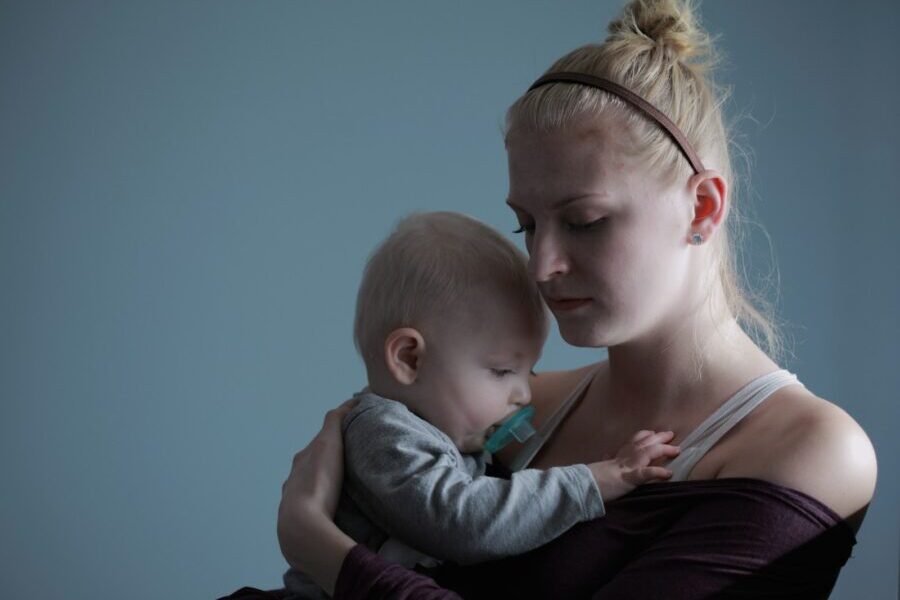
Single parents have the lowest average income for both men and women, according to the latest research.
On Single Parents’ Day, data from NOW: Pensions reveals single fathers earn 32% less than the ‘average’ man, while women fare even worse, with single mothers earning 53% less than the ‘average’ man and 37% less than the ‘average’ woman. The data also reveals single mothers have the lowest rate of labour market participation of all groups – which will significantly impact their ability to save enough into their pensions for retirement.
In the UK, women retire on average with just £69,000 in their pension pot – that’s two-thirds less than men, who retire with an average of £205,000 saved.
Research by NOW: Pensions and the Pensions Policy Institute (PPI) reveals the one of the biggest causes is the differences in working patterns between men and women over the course of their lives. On average, women spend 10 years away from the workforce to raise families or take on other caring responsibilities. This career gap amounts to an average of £39,000 in lost pension savings.
While progress has been made in improving gender equality within society, gendered norms around childcare still disproportionately impact women. The data shows that in 2022, fathers accounted for just one in nine stay-at-home parents, compared to one in 14 in 2019.
Single parents continue to miss out when it comes to workplace earnings – with **1 in 3 of all working single mothers being ineligible for a workplace pension under current auto-enrolment rules. This is despite over half (59%) being in employment. Consequently, working single mothers have missed out on over £852m in pension savings since the introduction of auto-enrolment in 2012.
The number of single mothers working part-time is at 54% compared to the UK average of 21%. The high proportion of part-time workers means that they might not meet the eligibility criteria as pension saving is only triggered once earning £10,000 in a single role. Therefore, single mothers are missing out on being automatically enrolled and therefore also missing out on employer contributions and tax relief.
John Adams, Senior Policy Analyst, Pensions policy Institute comments:
Inequalities in the labour market, taking time out of employment, as well as employers not investing in the careers of those with caring responsibilities, can all have a serious impact on the later life outcomes of those raising children on their own. While there are some pensions policy options that could be introduced to help single parents save for their retirement, it’s unlikely to significantly improve their outcomes without changes in labour market conditions and better access to affordable childcare.
John Adams, Senior Policy Analyst, Pensions policy Institute
Learn more about how NOW: Pensions are working to raise awareness and lobby for change for a fairer pension system to enable all pension savers to enjoy the retirement they deserve.

Joanne is the editor for Workplace Wellbeing Professional and has a keen interest in promoting the safety and wellbeing of the global workforce. After earning a bachelor's degree in English literature and media studies, she taught English in China and Vietnam for two years. Before joining Work Well Pro, Joanne worked as a marketing coordinator for luxury property, where her responsibilities included blog writing, photography, and video creation.
- Joanne Swann
- Joanne Swann
- Joanne Swann
- Joanne Swann
- Joanne Swann
- Joanne Swann
- Joanne Swann
- Joanne Swann
- Joanne Swann
- Joanne Swann
- Joanne Swann
- Joanne Swann
- Joanne Swann
- Joanne Swann
- Joanne Swann
- Joanne Swann
- Joanne Swann
- Joanne Swann
- Joanne Swann
- Joanne Swann
- Joanne Swann
- Joanne Swann
- Joanne Swann
- Joanne Swann
- Joanne Swann
- Joanne Swann
- Joanne Swann
- Joanne Swann
- Joanne Swann
- Joanne Swann
- Joanne Swann
- Joanne Swann
- Joanne Swann
- Joanne Swann
- Joanne Swann
- Joanne Swann
- Joanne Swann
- Joanne Swann
- Joanne Swann
- Joanne Swann
- Joanne Swann
- Joanne Swann
- Joanne Swann
- Joanne Swann
- Joanne Swann
- Joanne Swann
- Joanne Swann
- Joanne Swann
- Joanne Swann
- Joanne Swann
- Joanne Swann
- Joanne Swann
- Joanne Swann
- Joanne Swann
- Joanne Swann
- Joanne Swann
- Joanne Swann
- Joanne Swann
- Joanne Swann
- Joanne Swann
- Joanne Swann
- Joanne Swann
- Joanne Swann
- Joanne Swann
- Joanne Swann
- Joanne Swann
- Joanne Swann
- Joanne Swann
- Joanne Swann
- Joanne Swann
- Joanne Swann
- Joanne Swann
- Joanne Swann
- Joanne Swann
- Joanne Swann
- Joanne Swann
- Joanne Swann
- Joanne Swann
- Joanne Swann
- Joanne Swann
- Joanne Swann
- Joanne Swann
- Joanne Swann
- Joanne Swann
- Joanne Swann
- Joanne Swann
- Joanne Swann
- Joanne Swann
- Joanne Swann
- Joanne Swann
- Joanne Swann
- Joanne Swann
- Joanne Swann
- Joanne Swann
- Joanne Swann
- Joanne Swann
- Joanne Swann
- Joanne Swann
- Joanne Swann
- Joanne Swann
- Joanne Swann
- Joanne Swann
- Joanne Swann
- Joanne Swann
- Joanne Swann
- Joanne Swann
- Joanne Swann
- Joanne Swann
- Joanne Swann
- Joanne Swann
- Joanne Swann
- Joanne Swann
- Joanne Swann
- Joanne Swann
- Joanne Swann
- Joanne Swann
- Joanne Swann
- Joanne Swann
- Joanne Swann
- Joanne Swann
- Joanne Swann
- Joanne Swann
- Joanne Swann
- Joanne Swann
- Joanne Swann
- Joanne Swann
- Joanne Swann
- Joanne Swann
- Joanne Swann
- Joanne Swann
- Joanne Swann
- Joanne Swann
- Joanne Swann
- Joanne Swann
- Joanne Swann
- Joanne Swann
- Joanne Swann
- Joanne Swann
- Joanne Swann
- Joanne Swann
- Joanne Swann
- Joanne Swann
- Joanne Swann
- Joanne Swann
- Joanne Swann
- Joanne Swann
- Joanne Swann
- Joanne Swann
- Joanne Swann
- Joanne Swann
- Joanne Swann
- Joanne Swann
- Joanne Swann
- Joanne Swann
- Joanne Swann
- Joanne Swann
- Joanne Swann
- Joanne Swann
- Joanne Swann
- Joanne Swann
- Joanne Swann
- Joanne Swann
- Joanne Swann
- Joanne Swann
- Joanne Swann
- Joanne Swann
- Joanne Swann
- Joanne Swann
- Joanne Swann
- Joanne Swann
- Joanne Swann
- Joanne Swann
- Joanne Swann
- Joanne Swann
- Joanne Swann
- Joanne Swann
- Joanne Swann
- Joanne Swann
- Joanne Swann
- Joanne Swann