

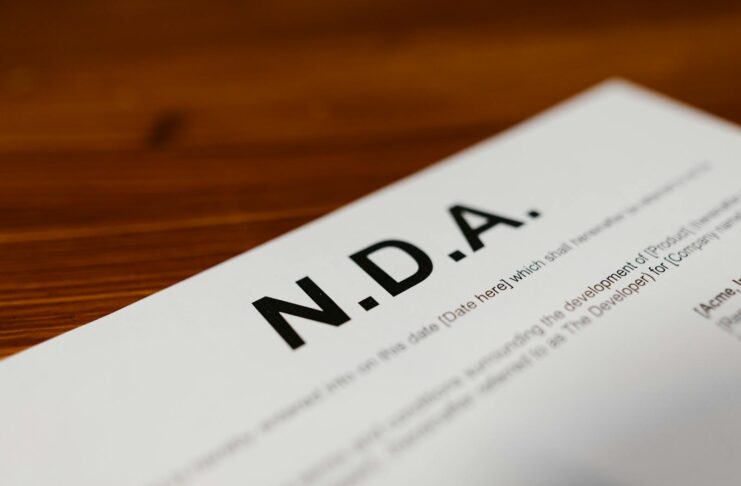
Confidentiality clauses that prevent workers from speaking out about sexual misconduct and discrimination will be outlawed under new legislation, the government has confirmed.
An amendment to the Employment Rights Bill will make it illegal for employers to use non-disclosure agreements (NDAs) to stop individuals from discussing allegations of harassment, abuse or discrimination at work. The revised law, expected to come into force later this year, would render such clauses unenforceable.
Deputy Prime Minister Angela Rayner said it was “time we stamped this practice out”, referring to what many campaigners see as years of abuse of power by employers using legal tools to conceal wrongdoing.
Zelda Perkins, a former assistant to now-jailed Hollywood mogul Harvey Weinstein and the first woman to publicly break her NDA with him, described the change as a “huge milestone”, adding: “The victory belongs to the people who broke their NDAs, who risked everything to speak the truth when they were told they couldn’t.”
Perkins co-founded the campaign group Can’t Buy My Silence UK, which has long called for reform to stop the use of NDAs in cases involving abuse or discrimination.
The head of UK whistleblowing service Safecall, Joanna Lewis, said the development “marks a significant and positive step forward”.
She said that “[f]or too long, businesses have been able to pull the wool over many metaphorical eyes, using NDAs to silence whistleblowers and mask malpractice. Our own research shows that well over a third (38%) of employees believe they would suffer consequences if they reported wrongdoing, but the amendment to the employment rights bill should go some way to reducing this number.”
Lewis added that there was now “little room for businesses to hide; they must instead ensure they foster an environment of trust, where employees feel comfortable, encouraged, and empowered to report concerns and make working environments safer and more inclusive.”
Scope of the Employment Rights Bill
The Employment Rights Bill represents one of the most comprehensive updates to UK labour protections in recent years. Alongside the NDA ban, it contains provisions to:
- Extend bereavement leave to miscarriages before 24 weeks of pregnancy
- Protect workers’ rights around predictable scheduling and contract terms
- Strengthen enforcement mechanisms for existing employment laws
Employment rights minister Justin Madders said the NDA amendments would give “millions of workers confidence that inappropriate behaviour in the workplace will be dealt with, not hidden”. He called the previous misuse of NDAs “an appalling practice”.
If passed by the House of Lords on 14 July and approved by MPs, the changes would bring the UK in line with jurisdictions such as Ireland, parts of the United States and Canada, which already restrict or ban the use of NDAs in workplace misconduct cases.
Why It Matters for Employers
NDAs are often used to protect commercially sensitive information such as trade secrets or intellectual property. But over time, they have also been deployed in settlement agreements to prevent employees from discussing misconduct, particularly in cases involving sexual harassment, bullying or discrimination.
Legal experts and campaigners have long argued that it suppresses transparency, discourages reporting and allows patterns of abuse to continue unchecked.
To prepare for the new legal landscape, experts say employers should now:
- Review existing settlement agreement templates, removing or amending any clauses that restrict disclosure of unlawful conduct
- Update internal policies on grievance procedures and harassment, with an emphasis on transparency and accountability
- Train HR teams and line managers to handle complaints in a way that centres support and legal compliance, rather than reputational risk
- Avoid coercing staff into signing NDAs under the guise of protecting the business, as it will no longer be legal where harassment or discrimination is involved
Perkins said it was essential to ensure the new law was “watertight and no one can be forced into silence again”.