Employers across England are being warned that gaps in first aid provision and mental health training are leaving workplaces exposed to serious risk, as new figures highlight the cost of illness and delayed emergency response at work.
The warning comes from St John Ambulance, which said many organisations still fail to ensure they have enough trained first aiders, appropriate equipment and coverage across different shifts, sites and remote teams.
The charity said first aid planning needed to reflect modern working patterns and recognise that workplace emergencies can involve both physical and mental health incidents.
First Aid Coverage Still Inadequate
St John Ambulance said first aid readiness was not simply about having named first aiders on paper, but ensuring sufficient numbers were available when and where they were needed. That includes evenings, lone working environments and dispersed teams.
The organisation also warned that some workplaces were overly focused on compliance rather than capability, leaving staff unprepared to respond effectively during the first critical minutes of an emergency.
Workplace illness already represents a growing cost for employers. On average, each sickness absence day costs £120 in lost productivity, with an estimated 150 million working days lost each year.
Equipment and Training Must Work Together
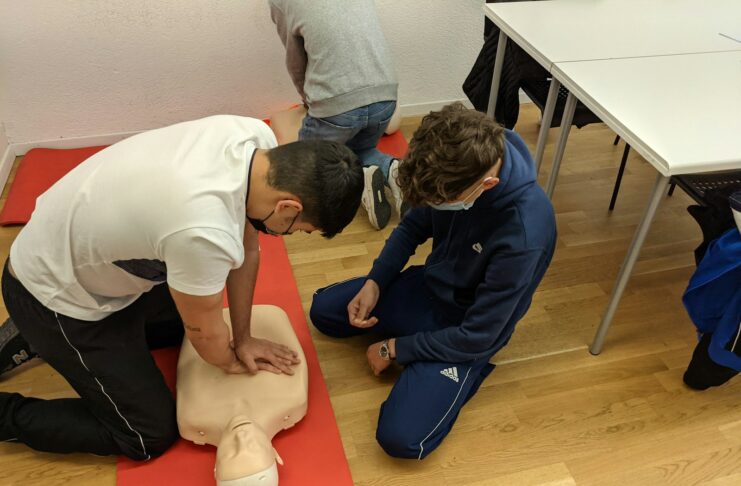
Lisa Sharman, Head of Education and Commercial Training at St John Ambulance, stressed that equipment was as important as training. Emphasising the risks of under-prepared workplaces, she said, “Having defibrillators, stocked first aid kits, and clear processes in place is just as vital as having people trained to use them.”
She pointed to the unpredictable nature of medical emergencies, saying, “Cardiac arrests, seizures, choking… these events strike without warning, and without the right equipment in place and someone trained to act in those first critical minutes, the consequences can be devastating.”
Sharman highlighted January as a practical moment for organisations to review their arrangements. “January is the moment to get organised for 2026. St John Ambulance can provide clear, actionable guidance for businesses to assess their current risk and take steps to close the gap.”
First Aid Beyond Physical Injury
The charity said first aid provision needed to move beyond treating physical injury alone and incorporate mental health first aid as part of a broader wellbeing approach.
Integrated training, it said, could help staff recognise early warning signs, respond appropriately and support colleagues experiencing mental health distress, particularly in fast-paced or high-pressure environments.
St John Ambulance said this holistic approach was increasingly relevant as employers look to reduce absence, improve retention and create safer, more supportive workplaces.
Real-World Impact of Training
The importance of preparation was illustrated by Roy Peach, a shop worker who responded to a colleague’s seizure while off duty. Describing how his training guided his actions, he said, “A colleague nearby caught them as they fell and guided them safely to the floor, while I removed my jumper and used it as a cushion for their head.”
He explained how he coordinated others during the incident, saying, “During that time, I coordinated the team to form a barrier from prying customer eyes and supported a colleague with the phone call to emergency services.”
Reflecting on the experience, Peach said his calm response came from experience and preparation. “First aid training can’t prepare you for every scenario, but what it can do is place you in a better position of support and ability to think clearly.”
He added that regular refreshers mattered. “I’m glad to have refreshed mine a couple of months prior to this incident. I feel it made a huge difference to how I handled it.”
Legal Duties and Employer Responsibility
Employers have a legal duty to provide a safe working environment and to take reasonable steps to prevent harm, including physical and mental injury. First aid provision forms part of that duty, with expectations set out in guidance from the Health and Safety Executive.
St John Ambulance said employers that fail to plan adequately risk slower response times, poorer outcomes and avoidable harm, particularly in environments where staff work alone or under pressure.