Electricians, plumbers and other skilled trades are among the UK’s least-stressed employees, according to new data, but the popularity of working from home is fuelling a surge in burnout and mental health concerns across other sectors.
A study by comparison site Confused.com, based on the latest Health and Safety Executive (HSE) figures, found that just 720 out of every 100,000 employees in skilled trades reported stress, anxiety or depression last year, representing less than one percent of the workforce.
In contrast, the national average stands at 2,260 per 100,000, with professional roles such as teachers, lawyers and doctors facing the highest stress levels at 2,740 per 100,000.
Analysts point to flexible hours, self-employment and predictable work routines as factors that may protect skilled trades from higher stress, supporting a healthier work-life balance compared to many office-based roles.
Remote Work Blurs Boundaries
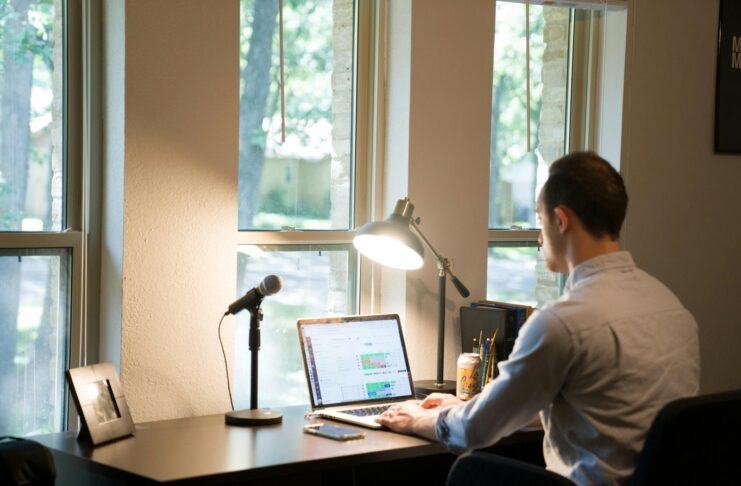
While some industries show encouraging trends, Google data reveals searches for “burnout” have hit a five-year high, with 64,000 recorded in the past month alone. Experts suggest that remote and hybrid working is a significant driver behind this increase.
Clinical counsellor Nilou Esmaeilpour, a director at Lotus Therapy in Vancouver, Canada, said the impact of work from home was becoming ever more apparent.
“Many clients experience guilt from having ambiguous work-life boundaries, an increase in the amount of workload, and pressure to remain available almost at all times due to digital connectivity,” she said.
“For instance, a recent case I handled was of one more tech employee working on a remote basis who received Slack messages at midnight because of the different time zones of the colleagues. This benefit of working from home has, indeed, nullified those physical boundaries which earlier had separated office life and personal life.”
Burnout: A Widespread Issue
Around 776,000 UK workers reported work-related stress, depression or anxiety last year. While skilled trades and process, plant and machine operatives (730 cases per 100,000) are faring better than most, those in office-based and professional roles are at greater risk of stress-related health issues.
“Our mental health can get very badly affected because of stress, as chronic stress disrupts the brain’s ability to regulate mood, memory and decision-making,” said Esmaeilpour. “I have worked with clients who, after months of high work pressure, tight deadlines and no downtime, developed anxiety disorders or symptoms of depression. The longer the stress goes on without any healthy coping strategies in place, the more possible serious mental health issues it can help create, such as panic attacks or emotional burnout.”
Physical symptoms are common, including raised blood pressure, muscle tension and insomnia, as the body remains on constant alert due to prolonged stress.
Shifting Culture: Talking About Burnout
While remote working has brought flexibility for many, it has also erased the daily boundaries that once helped to signal the end of the workday. But Nilou Esmaeilpour sees progress, saying that “culture has changed positively. Many people have begun speaking of burnout and mental health, and the employers are also beginning to respond with days off related to mental wellbeing and wellness programmes.”
She suggested practical steps for managing workplace stress, particularly relevant for remote and hybrid workers:
Establish a routine: “To manage stress in the workplace involves very deliberate pauses and preventive behaviour. I normally recommend the Pomodoro Technique: focus for 25 minutes and have 5 minutes of a break; this really contributes to maintaining one’s mental freshness and reduces fatigue.”
Create an end-of-workday ritual: A physical or mental “shutdown”, such as changing clothes, listening to music or going for a walk, can help to reinforce boundaries between work and home life.
Maintain healthy habits: Regular exercise, a balanced diet and sufficient sleep all help manage mood and energy, making daily pressures easier to handle.
Use a ‘shutdown list’: “I have also seen clients who benefit from writing down ‘shutdown lists’ at the end of the day: three items for the next day and one for the accomplishment of the current day. All of this helps close the mental loop.”
Support Is Essential
“The level at which our jobs can affect our stress levels can’t be understated,” said Confused.com life insurance executive Tom Vaughan. “Whether you’re in full-time or part-time employment, our careers are a big part of our lives and can contribute to our stress levels no matter what industry you work in.”
He said it was “important to ensure you have access to support systems both in and out of work if you feel that your stress levels are reaching their limit” and that while some people may think they have a job that’s mostly free from stress, they can let things accumulate, so knowing what to do in that situation is vital”.
The good news, said Vaughan, was that employers and staff were becoming more aware of stress and the problems it causes. “And while there’s still a long way to go, we’re hoping that we can have a future where stress is treated with the care it deserves.”
He added that “[s]potting signs of stress early on can help to prevent the long-term effects it can have on both our mental and physical wellbeing, supporting a healthier, more balanced relationship with our careers overall.”