
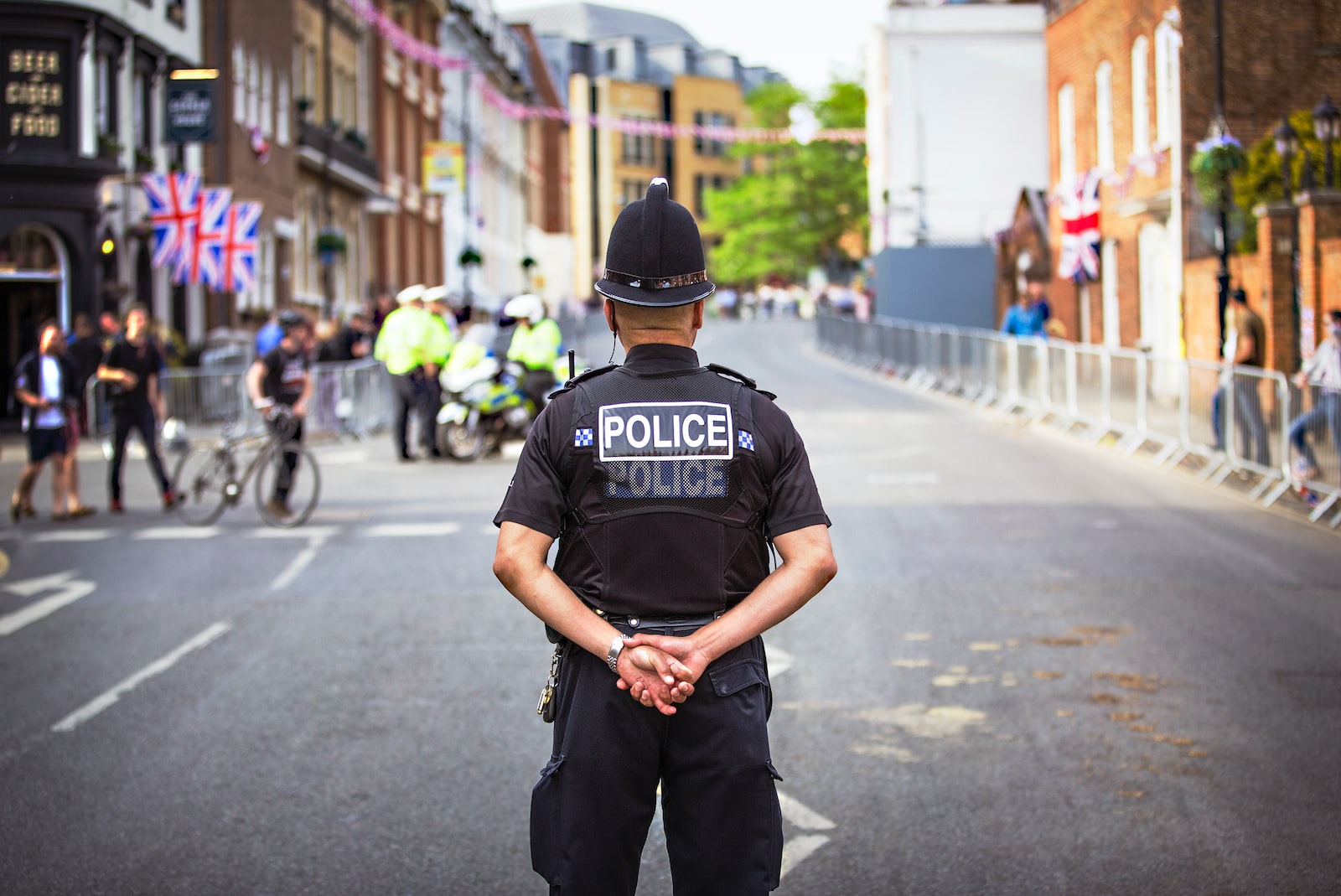
Police have taken a record 500,000 days off due to mental health issues, new data has revealed, as a former watchdog blames trauma for caring for the sick and dying during the pandemic .
Figures obtained through the Freedom of Information Act (FoI) from police forces showed that the number of days absent due to mental health problems increased by 9% in one year, from 457,154 in 2020 to 497,154 in 2021.
An increase in mental health issues among their officers was reported by 24 of the 37 police forces that responded to the FoI.
Warwickshire Police saw the biggest increase, with 4,781 sick days for mental illness in 2021, a 68 per cent increase on the previous year.
Zoe Billingham, a former HM police inspector, said this suggested there was a greater prevalence of mental health issues among emergency services, due to what they faced during the pandemic of coronavirus.
“Police and other frontline services have protected us during the pandemic,” she said. “The pandemic was a great unknown. People were really scared of dying and coming into contact with the virus, and a lot of people did.
“Mental health and other professions were there from the start on the front line and with the enforced lockdown there is an awful lot of trauma the country is currently dealing with. There has been a doubling of referrals for children with mental health following the lockdown period.”
Zoe Billingham, a former HM Police Inspector
Ms Billingham said greater police support and acknowledgment by forces of the risks meant officers were more likely to recognize and report poor mental health. Overall, the figures showed nearly 2.4 million police working days have been lost to mental health issues over the past five years.
Mental health epidemic’ among police?
The Liberal Democrats, a political party, who obtained the figures, warned there was a “mental health epidemic” among police officers. The party has called on the government to improve mental health support, including funding proactive mental health and wellbeing checks for officers every six months.
‘It is deeply worrying to see more and more police days lost to mental health issues.
“Frontline police officers do an incredible job serving their communities. But we know that the stress of policing can take a heavy toll on the mental health of officers, in some cases leading to burnout and burnout.
Alistair Carmichael, home affairs spokesman for the Liberal Democrats

Workplace Wellbeing Professional is an online magazine featuring news and analysis on a broad range of employee wellbeing topics, focused on a UK based audience.