

There are now an estimated eight million lone workers in the UK, making up 22 per cent of the 31.2 million working population. It looks like these numbers are set to increase as a result of post-pandemic changes to working practices.
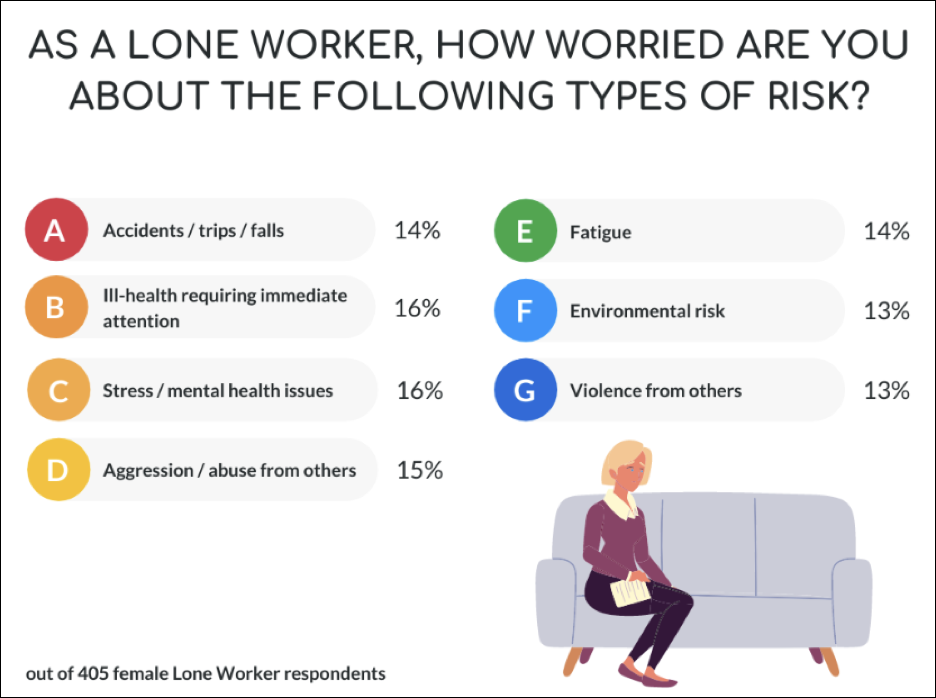
Lone workers are more vulnerable to harm because, although they face similar risks to other employees, these risks are faced alone. A survey (download here) of over 1,300 lone workers and health and safety professionals, commissioned by StaySafeApp.com, has explored employees’ perceptions of how seriously their company takes lone worker safety.
The findings show a discrepancy between the perception at management and board level – where managers perceive lone worker safety is a priority – and the lone workers themselves, who feel that their safety is not as important to the company.
Nearly all companies (94 per cent) gave themselves a 10-out-of-10 rating for how seriously they take the safety of lone workers, whereas just 45 per cent of lone workers feel the same. Additionally, a third of employees feel other factors like deadlines and financial targets are taken more seriously than their safety.
How Safe are Lone Workers Really?
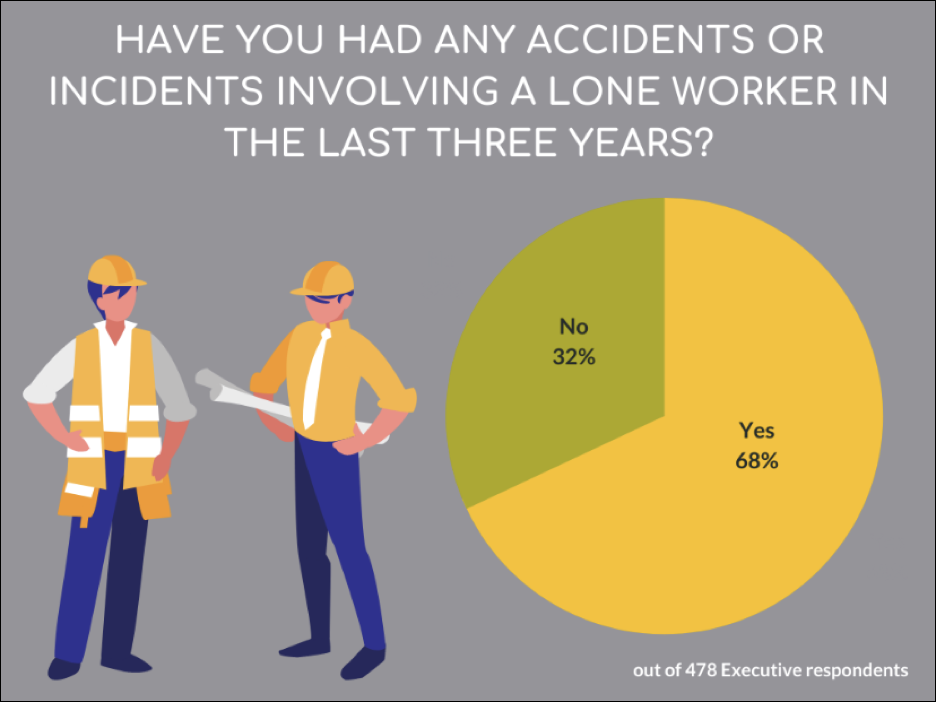
According to the British Crime Survey, 150 lone workers are physically or verbally attacked every day and unfortunately this number is likely to be under-reported. Only around a third (36 per cent) of lone workers claimed that the would talk to their employer when they felt unsafe at work. However, most companies are unaware of this low percentage, with nearly all (92 per cent) believing that their lone workers are in fact talking to them regularly about any incidents and concerns.
“The considerable under-reporting of hazards is a major concern for health and safety executives, particularly as they seem unaware that their staff aren’t having these conversations. Under-reporting can lead to employers under-estimating the real level of risk faced by staff on a daily basis and failing to put in the necessary protective measures to prevent accidents or incidents.”
Don Cameron, CEO of StaySafeApp.com
The majority of companies (83 per cent) claimed to have taken action following a lone worker incident, usually through improved training or additional protective measures. However, a significant minority of companies (17 per cent) apparently took no action at all. What’s more, the research indicated that companies often overestimate how well they have dealt with hazards or incidents. 78 per cent of executives said that they had addressed their employees’ concerns to a ‘great’ or ‘fair’ extent while only 45 per cent of lone workers agreed.
“In light of the findings in our report, organisations should undertake a review of their current lone worker safety measures, communications and training to assess their effectiveness from both an organisational and lone worker point of view, as research shows this may differ considerably.”
Don Cameron, CEO of StaySafeApp.com

Workplace Wellbeing Professional is an online magazine featuring news and analysis on a broad range of employee wellbeing topics, focused on a UK based audience.