

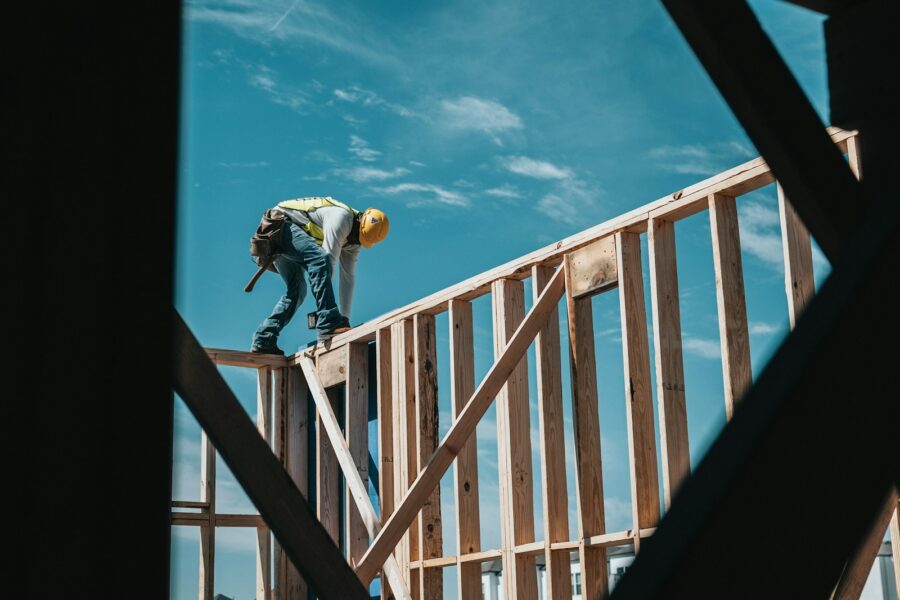
Fatal incidents in the UK construction industry have risen by almost 20% in the last five years, new data has found. In 2022/23, 45 fatal injuries were reported, an increase of 15% compared to the previous year.
Falling from a height is still the number one cause of fatal and non-fatal incidents in the construction sector. Those working in the industry are three times more likely to experience falling from a height than experiencing an injury through something collapsing or overturning.
Being struck by a moving vehicle and then being struck by a moving object were the second and third most common fatal accidents for workers. Between them, these accidents account for around two-thirds of fatal injuries to workers in 2022/23.
The rate of deaths per 100,000 workers also surged by 22% in 2022, reaching 2.1 per 100,000, compared to 1.72 in 2021. The death rate in the construction sector is three times higher than in the transportation and storage industry. This increases to over seven times higher than those working in the waste and recycling industries.
The findings, collated by specialist providers of cherry picker hire in London, Herts Tools, used construction statistics from the Health and Safety Executive reports from 2022 to 2023. The analysis demonstrates the severity of accidents in the construction industry which are continuing to rise year on year and how workers and workplaces are being affected.
The data also revealed a significant rise in the number of days lost per construction worker due to injuries, 6.4 days were recorded in 2022, resulting in an uptick of 23% since 2021.
Injuries and ill health in workers in Great Britain cost around £16.2 billion in 2018/19. This compares to £20.6 billion in 2022/23. Stefano Lobban, director at Herts Tools, commented:
Training is key to protecting workers, whether it’s highlighting dangers or teaching workers to make their own risk assessments on site. Then there’s ensuring workers have all the PPE they need, such as helmets, safety goggles and slip-resistant footwear. I hope these findings act as a wake-up call to the industry and we’ll see a reduction in incident numbers next year.
Stefano Lobban, director at Herts Tools
How can companies prevent accidents on construction sites?
- Training and Education: Provide thorough training on safety protocols and equipment operation.
- Regulatory Compliance: Ensure adherence to safety regulations through regular inspections.
- Equipment Maintenance: Maintain machinery and tools to prevent accidents caused by faults.
- Clear Communication: Use visible signage and encourage reporting of safety concerns.
- Risk Assessment: Conduct thorough assessments and develop mitigation strategies.
- Safety Culture: Promote a culture where safety is prioritized through open communication and regular meetings.
Phil Beaumont, Health and safety consultant, says:
It’s important for sites and companies to implement rules, procedures, and policies that people can follow clearly to conduct safe practice at work. Keeping a record of incidents and continuously assessing what went right, what went wrong, what was irrelevant and what more could have been done previously is vital to minimise future accidents at work.
Phil Beaumont, Health and safety consultant

Joanne is the editor for Workplace Wellbeing Professional and has a keen interest in promoting the safety and wellbeing of the global workforce. After earning a bachelor's degree in English literature and media studies, she taught English in China and Vietnam for two years. Before joining Work Well Pro, Joanne worked as a marketing coordinator for luxury property, where her responsibilities included blog writing, photography, and video creation.
- Joanne Swann
- Joanne Swann
- Joanne Swann
- Joanne Swann
- Joanne Swann
- Joanne Swann
- Joanne Swann
- Joanne Swann
- Joanne Swann
- Joanne Swann
- Joanne Swann
- Joanne Swann
- Joanne Swann
- Joanne Swann
- Joanne Swann
- Joanne Swann
- Joanne Swann
- Joanne Swann
- Joanne Swann
- Joanne Swann
- Joanne Swann
- Joanne Swann
- Joanne Swann
- Joanne Swann
- Joanne Swann
- Joanne Swann
- Joanne Swann
- Joanne Swann
- Joanne Swann
- Joanne Swann
- Joanne Swann
- Joanne Swann
- Joanne Swann
- Joanne Swann
- Joanne Swann
- Joanne Swann
- Joanne Swann
- Joanne Swann
- Joanne Swann
- Joanne Swann
- Joanne Swann
- Joanne Swann
- Joanne Swann
- Joanne Swann
- Joanne Swann
- Joanne Swann
- Joanne Swann
- Joanne Swann
- Joanne Swann
- Joanne Swann
- Joanne Swann
- Joanne Swann
- Joanne Swann
- Joanne Swann
- Joanne Swann
- Joanne Swann
- Joanne Swann
- Joanne Swann
- Joanne Swann
- Joanne Swann
- Joanne Swann
- Joanne Swann
- Joanne Swann
- Joanne Swann
- Joanne Swann
- Joanne Swann
- Joanne Swann
- Joanne Swann
- Joanne Swann
- Joanne Swann
- Joanne Swann
- Joanne Swann
- Joanne Swann
- Joanne Swann
- Joanne Swann
- Joanne Swann
- Joanne Swann
- Joanne Swann
- Joanne Swann
- Joanne Swann
- Joanne Swann
- Joanne Swann
- Joanne Swann
- Joanne Swann
- Joanne Swann
- Joanne Swann
- Joanne Swann
- Joanne Swann
- Joanne Swann
- Joanne Swann
- Joanne Swann
- Joanne Swann
- Joanne Swann
- Joanne Swann
- Joanne Swann
- Joanne Swann
- Joanne Swann
- Joanne Swann
- Joanne Swann
- Joanne Swann
- Joanne Swann
- Joanne Swann
- Joanne Swann
- Joanne Swann
- Joanne Swann
- Joanne Swann
- Joanne Swann
- Joanne Swann
- Joanne Swann
- Joanne Swann
- Joanne Swann
- Joanne Swann
- Joanne Swann
- Joanne Swann
- Joanne Swann
- Joanne Swann
- Joanne Swann
- Joanne Swann
- Joanne Swann
- Joanne Swann
- Joanne Swann
- Joanne Swann
- Joanne Swann
- Joanne Swann
- Joanne Swann
- Joanne Swann
- Joanne Swann
- Joanne Swann
- Joanne Swann
- Joanne Swann
- Joanne Swann
- Joanne Swann
- Joanne Swann
- Joanne Swann
- Joanne Swann
- Joanne Swann
- Joanne Swann
- Joanne Swann
- Joanne Swann
- Joanne Swann
- Joanne Swann
- Joanne Swann
- Joanne Swann
- Joanne Swann
- Joanne Swann
- Joanne Swann
- Joanne Swann
- Joanne Swann
- Joanne Swann
- Joanne Swann
- Joanne Swann
- Joanne Swann
- Joanne Swann
- Joanne Swann
- Joanne Swann
- Joanne Swann
- Joanne Swann
- Joanne Swann
- Joanne Swann
- Joanne Swann
- Joanne Swann
- Joanne Swann
- Joanne Swann
- Joanne Swann
- Joanne Swann
- Joanne Swann
- Joanne Swann
- Joanne Swann
- Joanne Swann
- Joanne Swann
- Joanne Swann
- Joanne Swann
- Joanne Swann
- Joanne Swann
- Joanne Swann
- Joanne Swann
- Joanne Swann
- Joanne Swann
- Joanne Swann
- Joanne Swann