

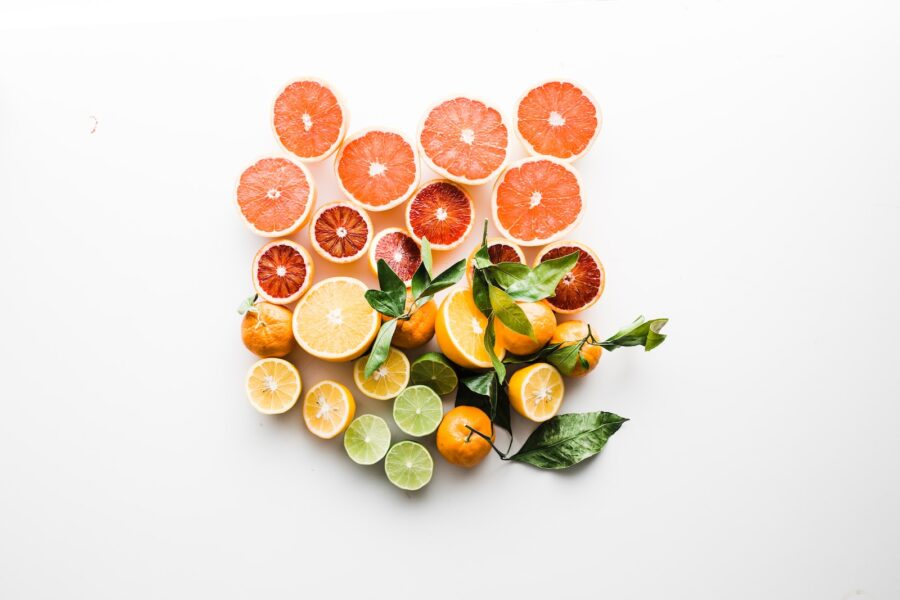
Good nutrition is about so much more than just the sum of the calories on your plate. Your relationship with food and what you choose to eat has the power to transform your health from the inside, out. It can help support your physical health, mental wellbeing and can even affect your emotional state.
We often feel guilty about choosing foods that we enjoy but aren’t necessarily the best for our health. What if we changed our attitude to diet and had a healthier, more balanced approach to nutrition?
Nutritionist Jane McClenaghan from Vital Nutrition takes us through easy steps to reinvent your relationship with food.
1. Take a mindful moment.
Before you tuck into a plate of food, just take a breath. This will help to switch you out of ‘fight-or-flight’ mode and into ‘rest-and-digest’ mode, which is a much better state to eat in. This switch from the sympathetic to the parasympathetic nervous system will aid digestion and help to slow down your eating so that you get the most from the food on your plate.
2. Connect to the food on your plate.
As you are munching, notice how your food smells, looks, tastes and even how it feels. Tuning into your senses will help to slow things down a little for better digestion.
3. Plan ahead and give your food choices a little more consideration.
Do you eat on the go, grab a quick bite to keep you going, or skip meals because you are too busy? A little bit of planning can go along way. I think planning ahead for 3 or 4 days is a great habit to get into. You are likely to make better choices, spend less on takeaway or quick food, and reduce your food waste.
4. Enjoy the process of planning, prep and cooking your own food.
Taking a little time to be more thoughtful about what food will fuel you and what you really want to eat is likely to mean that you choose food that nourishes you, rather than grabbing a quick fix that tends to be void of much nutrition.
5. Choose foods that are unprocessed and as near to their natural state for optimum nutrition.
Adding plenty of plant foods like fresh (or frozen) fruit, vegetables, herbs, spices, pulses, nuts, seeds, such as the Linwoods milled seeds, into your diet will give your meals a nutritious boost that will benefit your health. Eating an unprocessed, natural diet means you will be improving your intake of dietary fibre, which is essential for regular digestion, but has the added benefit of helping to manage a heathy blood sugar and insulin balance and protecting cardiovascular health.
6. Change your attitude to calories.
When you eat for health, rather than simply counting calories, you will improve the balance of what’s on your plate. Foods that naturally contain high levels of omega 3 fats like flaxseed, chia and oily fish are especially beneficial. These ‘good fats’ will not be stored as fat as they are used by the body for so many different functions – from appetite balance to metabolism, hormone regulation, immune support and neurotransmitter function.
Get in touch with how food really makes you feel. Be a little more mindful of your food choices and I am sure that you will soon notice a difference to your health.

Joanne is the editor for Workplace Wellbeing Professional and has a keen interest in promoting the safety and wellbeing of the global workforce. After earning a bachelor's degree in English literature and media studies, she taught English in China and Vietnam for two years. Before joining Work Well Pro, Joanne worked as a marketing coordinator for luxury property, where her responsibilities included blog writing, photography, and video creation.
- Joanne Swann
- Joanne Swann
- Joanne Swann
- Joanne Swann
- Joanne Swann
- Joanne Swann
- Joanne Swann
- Joanne Swann
- Joanne Swann
- Joanne Swann
- Joanne Swann
- Joanne Swann
- Joanne Swann
- Joanne Swann
- Joanne Swann
- Joanne Swann
- Joanne Swann
- Joanne Swann
- Joanne Swann
- Joanne Swann
- Joanne Swann
- Joanne Swann
- Joanne Swann
- Joanne Swann
- Joanne Swann
- Joanne Swann
- Joanne Swann
- Joanne Swann
- Joanne Swann
- Joanne Swann
- Joanne Swann
- Joanne Swann
- Joanne Swann
- Joanne Swann
- Joanne Swann
- Joanne Swann
- Joanne Swann
- Joanne Swann
- Joanne Swann
- Joanne Swann
- Joanne Swann
- Joanne Swann
- Joanne Swann
- Joanne Swann
- Joanne Swann
- Joanne Swann
- Joanne Swann
- Joanne Swann
- Joanne Swann
- Joanne Swann
- Joanne Swann
- Joanne Swann
- Joanne Swann
- Joanne Swann
- Joanne Swann
- Joanne Swann
- Joanne Swann
- Joanne Swann
- Joanne Swann
- Joanne Swann
- Joanne Swann
- Joanne Swann
- Joanne Swann
- Joanne Swann
- Joanne Swann
- Joanne Swann
- Joanne Swann
- Joanne Swann
- Joanne Swann
- Joanne Swann
- Joanne Swann
- Joanne Swann
- Joanne Swann
- Joanne Swann
- Joanne Swann
- Joanne Swann
- Joanne Swann
- Joanne Swann
- Joanne Swann
- Joanne Swann
- Joanne Swann
- Joanne Swann
- Joanne Swann
- Joanne Swann
- Joanne Swann
- Joanne Swann
- Joanne Swann
- Joanne Swann
- Joanne Swann
- Joanne Swann
- Joanne Swann
- Joanne Swann
- Joanne Swann
- Joanne Swann
- Joanne Swann
- Joanne Swann
- Joanne Swann
- Joanne Swann
- Joanne Swann
- Joanne Swann
- Joanne Swann
- Joanne Swann
- Joanne Swann
- Joanne Swann
- Joanne Swann
- Joanne Swann
- Joanne Swann
- Joanne Swann
- Joanne Swann
- Joanne Swann
- Joanne Swann
- Joanne Swann
- Joanne Swann
- Joanne Swann
- Joanne Swann
- Joanne Swann
- Joanne Swann
- Joanne Swann
- Joanne Swann
- Joanne Swann
- Joanne Swann
- Joanne Swann
- Joanne Swann
- Joanne Swann
- Joanne Swann
- Joanne Swann
- Joanne Swann
- Joanne Swann
- Joanne Swann
- Joanne Swann
- Joanne Swann
- Joanne Swann
- Joanne Swann
- Joanne Swann
- Joanne Swann
- Joanne Swann
- Joanne Swann
- Joanne Swann
- Joanne Swann
- Joanne Swann
- Joanne Swann
- Joanne Swann
- Joanne Swann
- Joanne Swann
- Joanne Swann
- Joanne Swann
- Joanne Swann
- Joanne Swann
- Joanne Swann
- Joanne Swann
- Joanne Swann
- Joanne Swann
- Joanne Swann
- Joanne Swann
- Joanne Swann
- Joanne Swann
- Joanne Swann
- Joanne Swann
- Joanne Swann
- Joanne Swann
- Joanne Swann
- Joanne Swann
- Joanne Swann
- Joanne Swann
- Joanne Swann
- Joanne Swann
- Joanne Swann
- Joanne Swann
- Joanne Swann
- Joanne Swann
- Joanne Swann
- Joanne Swann
- Joanne Swann
- Joanne Swann
- Joanne Swann
- Joanne Swann
- Joanne Swann
- Joanne Swann
- Joanne Swann