

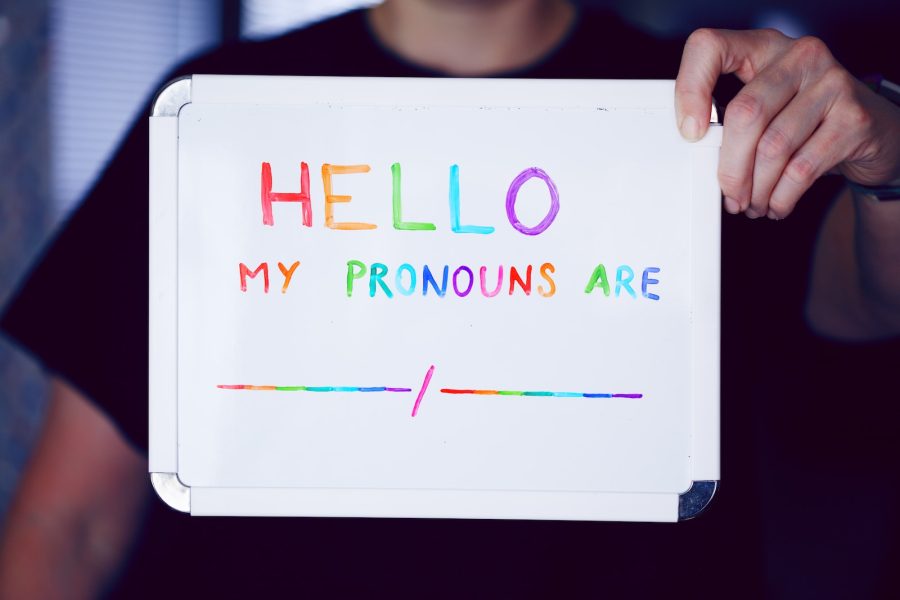
The 31st of March is International Day of Transgender Visibility. The day marks an opportunity to celebrate trans and non-binary people, and to raise awareness of the discrimination faced by the community worldwide.
The UK census recently gathered data on gender identity for the first time in 200 years, and Cream HR believe the results are a clear indicator that employers must take time to consider how they support transgender people within their business.
People in the trans community already face a disproportionately high degree of discrimination with Government statistics showing a 56% increase in hate crimes against transgender people from the years 2021 to 2022.
Anthony Sutton, Founder and Director of Cream HR, says:
Trans people experience lots of hate and discrimination in society and sadly a Stonewall paper shows that the workplace isn’t faring much better in terms of discrimination with 26% of trans workers reporting that they had been encouraged to hide or disguise that they are trans by a colleague.
Shockingly, 12% have been physically attacked by customers or colleagues in the last year because they are trans. This isn’t how it should be and employers should ensure that all staff feel safe, included and able to express themselves regardless of gender.
Anthony Sutton, Founder and Director of Cream HR
Anthony acknowledges that things won’t change overnight but there are things that can be done to support trans people:
- Review the company diversity and inclusion policy.
- Consider pronoun usage. Look at your contracts, policies, and other documents and ensure that they are gender inclusive and use gender neutral terminology. Make sure the correct pronouns and names are used for trans employees and include options that are gender neutral in any forms, software and processes used in the organisation. You could also add your own pronouns to your email signature or LinkedIn profile to signal to trans people around you that you are aware of the significance of appropriate pronouns.
- Make sure line managers are trained to be able to sensitively and professionally deal with any issues that arise for trans employees. This might be something you need to get help from via an external company.
- Where possible have a gender-neutral dress code.
- Manage your data protection and confidentiality. It should be the choice of the trans employee who they disclose their gender identity to, and staff shouldn’t be informed of someone’s gender identity unless consent has been given.
- Make sure your recruitment process is an equal opportunity one.
- Establish a supportive work environment – this goes without saying, but showing your team that you are a supportive, positive influence benefits everyone! Whatever your position in the organisation, ensure that you challenge discriminatory behaviour and raise any issues to your HR department.
Anthony concludes:
Supporting trans employees can go a long way towards creating a positive company culture that encourages diversity, equality and inclusion. At a time when we experience a lot of negative reports in the media around gender identity, it’s vitally important that employers are showing compassion, respect and understanding.

Joanne is the editor for Workplace Wellbeing Professional and has a keen interest in promoting the safety and wellbeing of the global workforce. After earning a bachelor's degree in English literature and media studies, she taught English in China and Vietnam for two years. Before joining Work Well Pro, Joanne worked as a marketing coordinator for luxury property, where her responsibilities included blog writing, photography, and video creation.
- Joanne Swann
- Joanne Swann
- Joanne Swann
- Joanne Swann
- Joanne Swann
- Joanne Swann
- Joanne Swann
- Joanne Swann
- Joanne Swann
- Joanne Swann
- Joanne Swann
- Joanne Swann
- Joanne Swann
- Joanne Swann
- Joanne Swann
- Joanne Swann
- Joanne Swann
- Joanne Swann
- Joanne Swann
- Joanne Swann
- Joanne Swann
- Joanne Swann
- Joanne Swann
- Joanne Swann
- Joanne Swann
- Joanne Swann
- Joanne Swann
- Joanne Swann
- Joanne Swann
- Joanne Swann
- Joanne Swann
- Joanne Swann
- Joanne Swann
- Joanne Swann
- Joanne Swann
- Joanne Swann
- Joanne Swann
- Joanne Swann
- Joanne Swann
- Joanne Swann
- Joanne Swann
- Joanne Swann
- Joanne Swann
- Joanne Swann
- Joanne Swann
- Joanne Swann
- Joanne Swann
- Joanne Swann
- Joanne Swann
- Joanne Swann
- Joanne Swann
- Joanne Swann
- Joanne Swann
- Joanne Swann
- Joanne Swann
- Joanne Swann
- Joanne Swann
- Joanne Swann
- Joanne Swann
- Joanne Swann
- Joanne Swann
- Joanne Swann
- Joanne Swann
- Joanne Swann
- Joanne Swann
- Joanne Swann
- Joanne Swann
- Joanne Swann
- Joanne Swann
- Joanne Swann
- Joanne Swann
- Joanne Swann
- Joanne Swann
- Joanne Swann
- Joanne Swann
- Joanne Swann
- Joanne Swann
- Joanne Swann
- Joanne Swann
- Joanne Swann
- Joanne Swann
- Joanne Swann
- Joanne Swann
- Joanne Swann
- Joanne Swann
- Joanne Swann
- Joanne Swann
- Joanne Swann
- Joanne Swann
- Joanne Swann
- Joanne Swann
- Joanne Swann
- Joanne Swann
- Joanne Swann
- Joanne Swann
- Joanne Swann
- Joanne Swann
- Joanne Swann
- Joanne Swann
- Joanne Swann
- Joanne Swann
- Joanne Swann
- Joanne Swann
- Joanne Swann
- Joanne Swann
- Joanne Swann
- Joanne Swann
- Joanne Swann
- Joanne Swann
- Joanne Swann
- Joanne Swann
- Joanne Swann
- Joanne Swann
- Joanne Swann
- Joanne Swann
- Joanne Swann
- Joanne Swann
- Joanne Swann
- Joanne Swann
- Joanne Swann
- Joanne Swann
- Joanne Swann
- Joanne Swann
- Joanne Swann
- Joanne Swann
- Joanne Swann
- Joanne Swann
- Joanne Swann
- Joanne Swann
- Joanne Swann
- Joanne Swann
- Joanne Swann
- Joanne Swann
- Joanne Swann
- Joanne Swann
- Joanne Swann
- Joanne Swann
- Joanne Swann
- Joanne Swann
- Joanne Swann
- Joanne Swann
- Joanne Swann
- Joanne Swann
- Joanne Swann
- Joanne Swann
- Joanne Swann
- Joanne Swann
- Joanne Swann
- Joanne Swann
- Joanne Swann
- Joanne Swann
- Joanne Swann
- Joanne Swann
- Joanne Swann
- Joanne Swann
- Joanne Swann
- Joanne Swann
- Joanne Swann
- Joanne Swann
- Joanne Swann
- Joanne Swann
- Joanne Swann
- Joanne Swann
- Joanne Swann
- Joanne Swann
- Joanne Swann
- Joanne Swann
- Joanne Swann
- Joanne Swann
- Joanne Swann
- Joanne Swann
- Joanne Swann
- Joanne Swann
- Joanne Swann
- Joanne Swann
- Joanne Swann
- Joanne Swann
- Joanne Swann
- Joanne Swann