

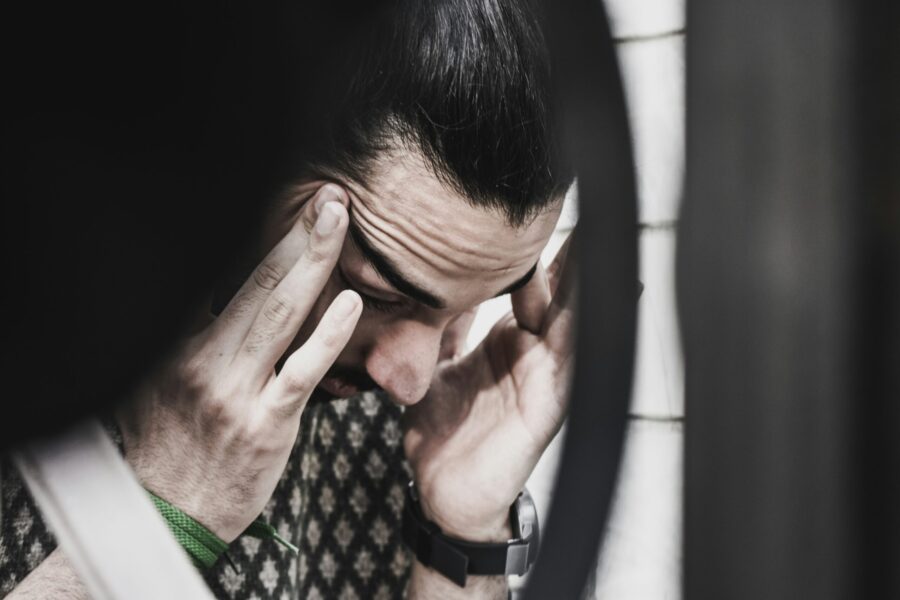
A majority (74%) of employers say there is a lack of support from the state for employee wellbeing in the UK, finds GRiD, the industry body for the group risk sector1.
The research also found that two thirds (66%) of employers said that being unable to access support for mental health was affecting their workers. According to employers, the other areas of health and wellbeing where a lack of state support affects staff are:
- Being unable to access support for preventative care (65%)
- Being unable to access support for physical health (62%)
- Being unable to access financial support if staff are unable to work through sickness or injury (56%)
According to GRiD, these concerns are twofold: employers care deeply about the health and wellbeing of their individual members of staff who, without adequate support, potentially face poor health outcomes which can impact their lives as a whole. In addition, increased absences and reduced productivity are very likely outcomes for a business when a workforce cannot access the health and wellbeing support they need.
Katharine Moxham, spokesperson for GRiD, said:
The UK lags behind many of the other G7 nations in terms of productivity, and both the Government and employers need to address this issue: the health and wellbeing of staff is a good place to start. Rightly or wrongly, there is a move away from state support to the onus being on the employer to fill this gap, and employers need to be ready to do so. Those who do not grasp the opportunity willingly may find themselves on the backfoot when it comes to being able to recruit and retain the best talent.
Katharine Moxham, spokesperson for GRiD
All areas of health and wellbeing need to be supported
Mental, physical, social and financial wellbeing are inextricably linked and so employers must address all four areas when selecting support for their staff. The breadth and depth of support must also be considered, so that not only does it support the health of employees during or after an illness or injury but critically, it should also offer preventative support to reduce the incidence of health and wellbeing issues in the first place.
Access to talking therapies, virtual GPs, second medical opinion services, health apps, and rewards for leading a healthy lifestyle, can all help an employee stay in work. Vocational rehabilitation support which draws on a wide range of assessments, interventions and services provided by a range of specialist healthcare professionals should also be embedded to support an individual whilst away from work and during a return to the workplace.
As well as supporting employees, support should also be available for HR teams and line managers, and can include HR and legal helplines as well as help with mediation.
Employee benefits, such as employer-sponsored life assurance, income protection and critical illness – collectively known as group risk benefits – offer a powerful solution that encompasses all such support, and need to be considered by employers.
Katharine Moxham concluded:
Changes in governments, policies, the economy, and state provision, mean that the expectation for managing absence and rehabilitation is increasingly falling to employers. Providing comprehensive support to staff needn’t be a burden if employers choose their employee benefits partners wisely. However, fresh fruit on Fridays will no longer cut it for businesses that do not want to see productivity levels drop.

Joanne is the editor for Workplace Wellbeing Professional and has a keen interest in promoting the safety and wellbeing of the global workforce. After earning a bachelor's degree in English literature and media studies, she taught English in China and Vietnam for two years. Before joining Work Well Pro, Joanne worked as a marketing coordinator for luxury property, where her responsibilities included blog writing, photography, and video creation.
- Joanne Swann
- Joanne Swann
- Joanne Swann
- Joanne Swann
- Joanne Swann
- Joanne Swann
- Joanne Swann
- Joanne Swann
- Joanne Swann
- Joanne Swann
- Joanne Swann
- Joanne Swann
- Joanne Swann
- Joanne Swann
- Joanne Swann
- Joanne Swann
- Joanne Swann
- Joanne Swann
- Joanne Swann
- Joanne Swann
- Joanne Swann
- Joanne Swann
- Joanne Swann
- Joanne Swann
- Joanne Swann
- Joanne Swann
- Joanne Swann
- Joanne Swann
- Joanne Swann
- Joanne Swann
- Joanne Swann
- Joanne Swann
- Joanne Swann
- Joanne Swann
- Joanne Swann
- Joanne Swann
- Joanne Swann
- Joanne Swann
- Joanne Swann
- Joanne Swann
- Joanne Swann
- Joanne Swann
- Joanne Swann
- Joanne Swann
- Joanne Swann
- Joanne Swann
- Joanne Swann
- Joanne Swann
- Joanne Swann
- Joanne Swann
- Joanne Swann
- Joanne Swann
- Joanne Swann
- Joanne Swann
- Joanne Swann
- Joanne Swann
- Joanne Swann
- Joanne Swann
- Joanne Swann
- Joanne Swann
- Joanne Swann
- Joanne Swann
- Joanne Swann
- Joanne Swann
- Joanne Swann
- Joanne Swann
- Joanne Swann
- Joanne Swann
- Joanne Swann
- Joanne Swann
- Joanne Swann
- Joanne Swann
- Joanne Swann
- Joanne Swann
- Joanne Swann
- Joanne Swann
- Joanne Swann
- Joanne Swann
- Joanne Swann
- Joanne Swann
- Joanne Swann
- Joanne Swann
- Joanne Swann
- Joanne Swann
- Joanne Swann
- Joanne Swann
- Joanne Swann
- Joanne Swann
- Joanne Swann
- Joanne Swann
- Joanne Swann
- Joanne Swann
- Joanne Swann
- Joanne Swann
- Joanne Swann
- Joanne Swann
- Joanne Swann
- Joanne Swann
- Joanne Swann
- Joanne Swann
- Joanne Swann
- Joanne Swann
- Joanne Swann
- Joanne Swann
- Joanne Swann
- Joanne Swann
- Joanne Swann
- Joanne Swann
- Joanne Swann
- Joanne Swann
- Joanne Swann
- Joanne Swann
- Joanne Swann
- Joanne Swann
- Joanne Swann
- Joanne Swann
- Joanne Swann
- Joanne Swann
- Joanne Swann
- Joanne Swann
- Joanne Swann
- Joanne Swann
- Joanne Swann
- Joanne Swann
- Joanne Swann
- Joanne Swann
- Joanne Swann
- Joanne Swann
- Joanne Swann
- Joanne Swann
- Joanne Swann
- Joanne Swann
- Joanne Swann
- Joanne Swann
- Joanne Swann
- Joanne Swann
- Joanne Swann
- Joanne Swann
- Joanne Swann
- Joanne Swann
- Joanne Swann
- Joanne Swann
- Joanne Swann
- Joanne Swann
- Joanne Swann
- Joanne Swann
- Joanne Swann
- Joanne Swann
- Joanne Swann
- Joanne Swann
- Joanne Swann
- Joanne Swann
- Joanne Swann
- Joanne Swann
- Joanne Swann
- Joanne Swann
- Joanne Swann
- Joanne Swann
- Joanne Swann
- Joanne Swann
- Joanne Swann
- Joanne Swann
- Joanne Swann
- Joanne Swann
- Joanne Swann
- Joanne Swann
- Joanne Swann
- Joanne Swann
- Joanne Swann
- Joanne Swann
- Joanne Swann
- Joanne Swann
- Joanne Swann
- Joanne Swann
- Joanne Swann
- Joanne Swann
- Joanne Swann
- Joanne Swann
- Joanne Swann
- Joanne Swann